By Federico Calabrese
Follow us on social networks to stay updated on the latest transfer market news: Instagram, Facebook e X
Index
The Lecce football club is experiencing a very interesting phase of growth, not only in terms of sporting results but above all in terms of economic solidity and the ability to build a lasting project. In this journey, sponsors have played a fundamental role, becoming a true lifeblood for the club. In an increasingly competitive Italian football landscape, where the big clubs monopolize most of the resources, Lecce has managed to develop an effective strategy to attract investments and consolidate its economic presence.
Lecce and Its Sponsors

In recent years, revenue from broadcasting rights has represented an important item in Lecce’s budget. For example, in the 2024/2025 season, the club collected over 32 million euros from these rights, a figure that, although not comparable to that of more prestigious teams, is highly respectable for a club of Lecce’s stature.
These revenues have been essential in ensuring financial stability, but it is above all the work on sponsorships that has made the difference. Lecce has been able to assemble a portfolio of sponsors that goes far beyond traditional commercial agreements. The club has established relationships with both national and local companies, creating synergies that exceed mere sponsorship and aim at genuine partnerships.
Representation of Success
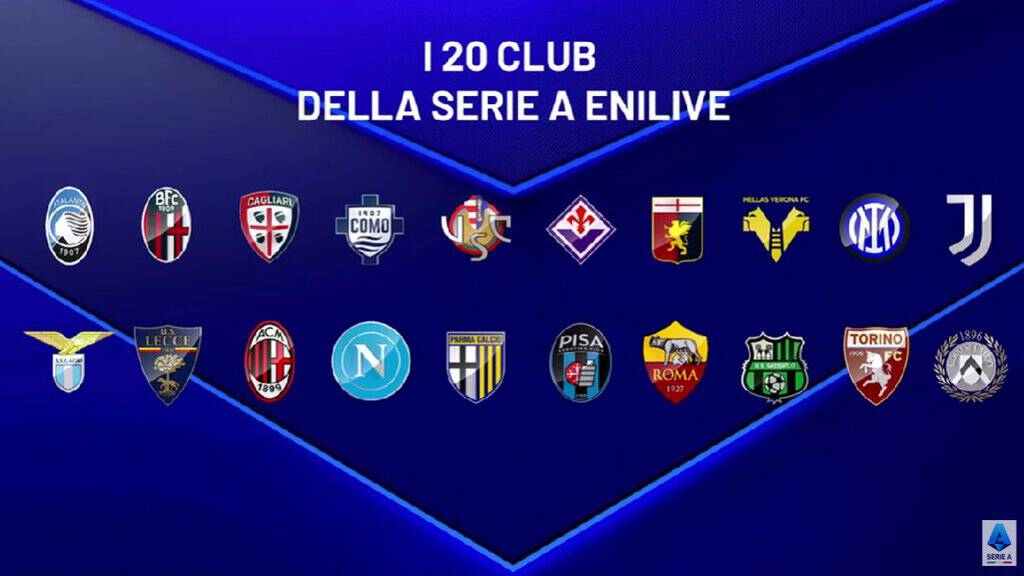
The success of this strategy is evidenced by notable names that have chosen to associate their brands with Lecce. Companies from various sectors—ranging from food to technology, from energy to automotive—have invested in the club, finding in Lecce not only an opportunity for visibility but also a way to strengthen their ties to the local territory and community.
This ability to attract such a wide range of sponsors demonstrates great attention to building a diversified and resilient commercial project. It is no longer just about putting logos on jerseys or stadium billboards but about developing shared marketing campaigns, dedicated events, and initiatives that engage both fans and sponsors in mutually beneficial relationships.
Lecce’s Attention to Detail

It is precisely this attention to detail and the quality of partnerships that has allowed Lecce to record a surprising economic result. The club’s 2025 financial statement showed a net profit of almost 14 million euros, an impressive figure for a mid-sized Italian club, especially in a sector often characterized by losses and debt.
Behind this result are prudent cost management choices, such as promoting young talents and rigorously controlling player expenses, as well as a commercial policy that has expanded and diversified revenue sources. Added to this is the ability to increase fan attendance at the stadium, thanks also to initiatives that have improved the spectator experience during matches.
Lecce’s Vision
Lecce’s vision is clear: to build a sustainable club capable of competing over time without compromising its financial stability. President Saverio Sticchi Damiani has often emphasized the importance of harmonious growth that considers not only economic aspects but also social and environmental factors.
With this in mind, the club has begun engaging in sustainability initiatives, reducing the environmental impact of its activities and promoting inclusion projects and community support. This approach not only enhances Lecce’s image but also attracts sponsors sensitive to these increasingly important themes in today’s business world.
Despite its strong roots in Salento, Lecce is also looking beyond national borders, aiming to broaden its fan base and sponsorship opportunities internationally. In recent months, the club has launched initiatives to increase its presence in Europe and North Africa, areas where Italian football still holds considerable appeal. This international outreach is crucial for attracting new investors and commercial partners interested in broader visibility and an international audience. Participation in foreign tournaments and a strong digital presence on social media complete this internationalization strategy, giving Lecce an increasingly global profile.
Challenges and Opportunities
Naturally, this path is not without challenges. Competition in the sponsorship market is becoming increasingly fierce, especially since many companies prefer to invest in larger clubs with greater media exposure. However, Lecce’s strength lies precisely in its authenticity and connection to the local territory—a value that successfully engages both fans and local businesses, creating a relationship of trust and shared growth. Moreover, the club is ready to experiment with new technologies like augmented reality and innovative digital solutions to offer its partners advanced and engaging marketing tools.
Another interesting trend is the growing direct involvement of fans in the club’s economic dynamics through membership programs and crowdfunding initiatives, which could represent a new frontier for financing. This openness to participatory models aims to create an even closer relationship with the community, turning fans into true ambassadors of the Lecce brand.
Conclusion
Lecce represents a virtuous example of how a mid-sized club can establish itself in modern football not only on the pitch but also off it. Thanks to a well-thought-out sponsorship strategy, prudent financial management, and a clear and sustainable vision, the club has managed to build solid foundations for a successful future. The balance between local roots and international openness, combined with the ability to innovate and engage the community, makes Lecce a reality worth following closely, demonstrating that in modern football it is possible to win by investing in identity, sustainability, and strong partnerships.