Edited by Federico Calabrese
Follow us on social media to stay up to date with the latest transfer news: Instagram, Facebook, and X.
Index
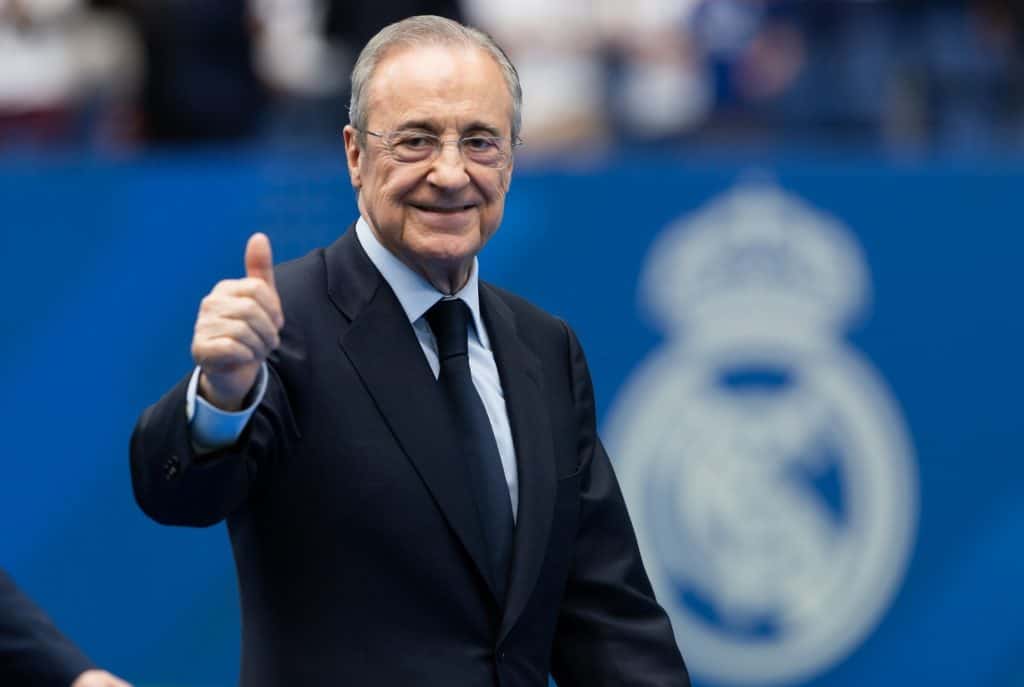
Presidents are the top of the football pyramid. Football is not just a sport: it is a global business worth billions of euros. At the helm of this machine, there are often powerful and very wealthy figures, the club presidents, who with their personal fortunes influence not only the sporting fortunes of the teams but also the economy of world football. But who are the richest presidents in football? How much are they really worth and how do their fortunes impact the management of the clubs?
The Role of the President in Modern Football

Today the president of a club is not only a symbolic or administrative figure. Often he is the main shareholder or majority investor who puts on the table large capital to buy champions, build stadiums, and compete at the highest levels. In some cases, the wealth of the president is decisive for the very survival of the club.
The Ranking of the Richest Presidents
Below is a table with the names of the richest presidents/owners of football clubs in the world, their estimated net worth, the club they control, and the club value according to the latest market evaluations (Source: Forbes, Bloomberg, Transfermarkt 2024).
| Position | President | Club | Estimated Net Worth (billion $) | Club Value (billion $) | Country of Origin |
|---|---|---|---|---|---|
| 1 | Sheikh Mansour | Manchester City | 26 | 6.0 | United Arab Emirates |
| 2 | Nasser Al-Khelaifi | Paris Saint-Germain | 4.5 | 4.2 | Qatar |
| 4 | John W. Henry | Liverpool FC | 7 | 5.1 | USA |
| 5 | Joan Laporta | FC Barcelona | 1.2 | 4.8 | Spain |
| 7 | Dietrich Mateschitz | Red Bull (RB Leipzig)| 28 | 0.9 | Austria |
Who is the richest?
In first place is Sheikh Mansour, member of the Abu Dhabi royal family and owner of Manchester City. With a personal wealth estimated around 26 billion dollars, he is among the richest men in the world and has transformed City into a global powerhouse with billionaire investments.
Next is Dietrich Mateschitz, co-founder of Red Bull, with a personal fortune estimated around 28 billion dollars. Although not a traditional president, his group controls football teams such as RB Leipzig and RB Salzburg, using football as a global marketing platform.
The Economic Impact of Wealthy Presidents
The capital available to these presidents has revolutionized football in the last 15 years. Before the era of billionaire investments by magnates, most clubs depended on ticket sales and TV rights revenues, often with tight budgets.
Today, clubs like Manchester City or PSG compete for the best players paying superstar salaries thanks to capital injections from their presidents.
Transfer Market Spending: A Thermometer of Wealth
Another interesting data point is the average annual spending on the transfer market, which can be considered an indicator of a president’s financial power.
| Club | President | Average Annual Spending (million €) |
|---|---|---|
| Manchester City | Sheikh Mansour | 180 |
| Paris Saint-Germain | Nasser Al-Khelaifi | 160 |
| Liverpool FC | John W. Henry | 100 |
| FC Barcelona | Joan Laporta | 90 |
| RB Leipzig | Dietrich Mateschitz| 40 |
However, a football based on ultra-rich presidents also brings financial risks. When money flows stop, clubs can find themselves in trouble: this is the case of Chelsea after Abramovich’s sale or Milan under Yonghong Li.
Furthermore, dependence on personal funds can accentuate inequalities between clubs: some teams become almost “superpowers,” while others struggle.
Modern football is inextricably linked to the fortunes of its presidents. From Abu Dhabi to New York, from Moscow to Milan, the richest men are shaping the future of the most loved sport in the world.
Investing in football is now a global economic strategy, combining sporting passion and multi-billion business. But beware: behind the spotlight, the financial risks and social consequences of a football increasingly dependent on the super-rich remain open issues to monitor.