By Federico Calabrese
Follow us on social networks to stay updated on the latest transfer market news: Instagram, Facebook e X
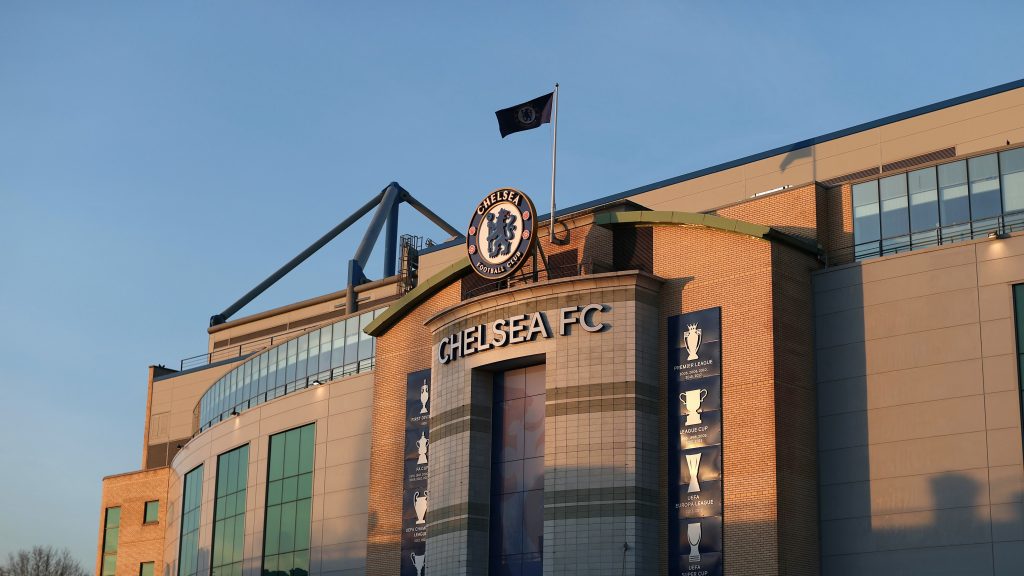
Talking about Chelsea means going far beyond on-field results. While fans look at standings and team performance, there is another equally central aspect: the financial one. Since the arrival of the new ownership in 2022, led by the Todd Boehly and Clearlake Capital consortium, the London club has entered a new phase marked by heavy investments, corporate transformations, and a much more complex financial structure compared to the past. But what is the current state of Chelsea’s finances?

Chelsea’s Structure
Today, Chelsea is controlled by a holding company called BlueCo 22 Ltd, the vehicle through which the American consortium acquired the club from Roman Abramovich. On the surface, the new ownership’s mission is clear: to transform Chelsea not only into a winning team but also into a sustainable and profitable entity in the long term.
Behind these ambitions, however, lie conflicting numbers. While the club itself recently posted a net profit, the holding company that controls it has accumulated significant losses, raising questions about the real sustainability of the economic engine behind Chelsea.

Revenue
Looking at the most recent figures, the 2022/23 season closed with increased revenue, reaching approximately £512 million, but also a significant net loss of around £90 million. This figure raised multiple alarm bells, especially as it came during one of the club’s worst sporting seasons in recent years—finishing 12th in the Premier League and missing out on European competitions.
In the following 2023/24 season, there was a remarkable turnaround: despite a drop in revenue (down to £468 million), Chelsea announced a pre-tax profit of over £128 million. This surprising result, however, was not driven by sporting performance but rather by extraordinary operations, such as the sale of players and non-core assets, including some subsidiaries.

Revenue Sources
To understand how Chelsea generates its income, we must look at its three main sources: broadcasting rights, commercial activities, and matchday income. TV rights make up a substantial portion, especially when the club competes in the Champions League. The absence from this competition in the 2023/24 season had a major impact on broadcasting revenues, but the club managed to hold steady thanks to strong commercial performance.
In fact, commercial revenue has become the club’s main income stream: sponsors, merchandising, stadium tours, and player loans brought in over £225 million. Matchday income also remained stable at around £80 million, despite Stamford Bridge’s limited capacity compared to the stadiums of other major clubs.
However, Chelsea’s real financial turning point came not from recurring revenue but from capital gains. In the 2023/24 season alone, the club earned over £150 million from player sales and nearly £200 million from the sale of subsidiaries and other non-core assets. These extraordinary revenues were what pushed the club’s accounts into the black.
Is that a good thing? It depends on your perspective. On one hand, these moves allowed Chelsea to meet English financial fair play regulations; on the other, they highlight a certain fragility in the business model. In short, without major sales, the club would struggle to stay balanced.
On the cost side, Chelsea continues to face very high expenses, particularly in terms of wages and player amortization. In 2023/24, personnel costs decreased compared to the previous year—an attempt at cost containment—but still stood around £338 million: a very high figure that demands careful management of income and expenditure. Player amortization—spreading transfer fees over the length of contracts—adds nearly £200 million a year.
This mix of high costs and reliance on extraordinary revenues makes Chelsea a club teetering between ambition and risk. Future projects—such as stadium expansion, real estate development, and global brand growth—could open up more stable and diversified revenue streams. However, real sustainability will inevitably depend on the club’s ability to return to top-level competition. Without the Champions League, revenues from broadcasting and global sponsorships drop significantly, and one cannot count on multimillion-pound sales or asset disposals every season.
Today, Chelsea is in a very delicate economic transition. The club has the scale and brand to be among Europe’s giants, but to achieve that, it must consolidate a sustainable model that doesn’t rely solely on extraordinary sales. The American ownership has brought a more entrepreneurial and financial vision, but time will tell whether this strategy can coexist with the sporting reality and passion of English football. For now, Chelsea’s most important match isn’t being played on the pitch, but in the financial statements, investments, and management decisions that will shape the club’s future.