Follow us on social media to stay up to date with the latest transfer news: Instagram, Facebook, and X.
Index
The introduction of Financial Fair Play by UEFA in 2010 aimed to ensure the economic sustainability of clubs by limiting unnecessary spending. The goal was to contain deficits and promote fair competition. But how are clubs actually behaving?
Clubs must follow two rules. The Football earnings rule, which is the difference between revenues and expected expenses over multiple years. And the so‑called Squad cost rule: from the 2025/26 season, costs for salaries, transfers, and agents are limited to 70% of revenues (80% in 2024/25, 90% in 2023/24).

Recent UEFA sanctions
The First Chamber of the CFCB has sanctioned 12 clubs:
| Club | Agreement Duration | Total Fine | Unconditional Fine |
|---|---|---|---|
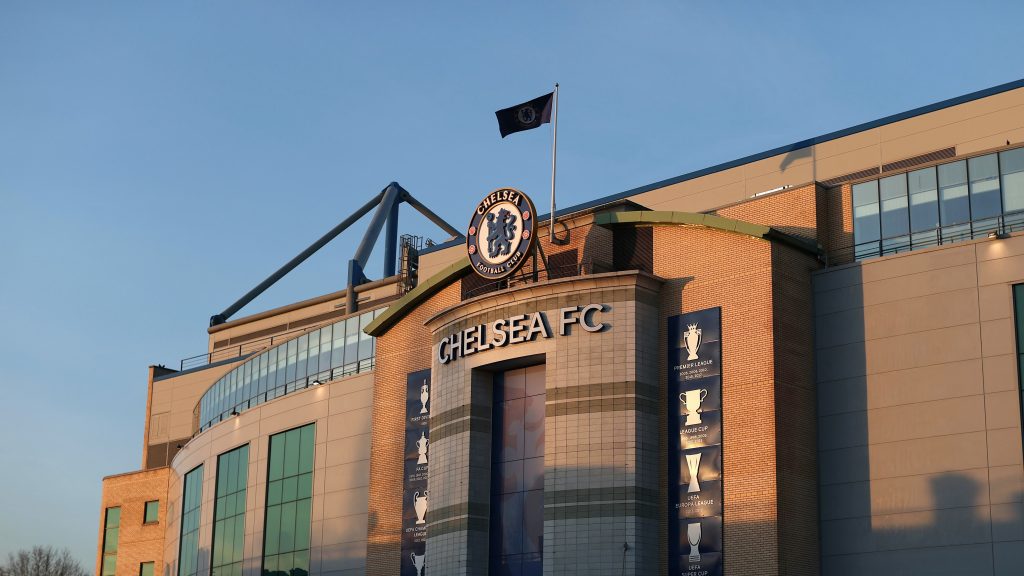
| Chelsea | 4 years | €80M | €20M |
| Barcelona | 2 years | €60M | €15M |
| Lyon | 4 years | €50M | €12.5M |
| Aston Villa | 3 years | €20M | €5M |
| Hajduk Split | 3 years | €1.2M | €0.3M |
| Porto | — | €5M | €0.75M |
Other clubs sanctioned for exceeding squad cost limits: Chelsea (€11M), Aston Villa (€6M), Beşiktaş (€0.9M), Panathinaikos (€0.4M).

The biggest FFP sanctions
Historically, the most notable cases include: Juventus was fined €23 million in 2022 with €3.5 million to be paid immediately, and a subsequent exclusion from competitions for suspected capital gains with an added sanction.
Roma, in the same year, was fined €35 million, with €5 million payable immediately. Inter was fined €26 million. For PSG the total fine could reach €60 million, with a base of €10 million. Finally, Manchester City: initial €30 million fine plus a Champions League ban, later annulled by CAS; today the case is reopened domestically with as many as 130 charges.
In 2025, Crystal Palace was excluded from the Europa League for violating multi‑club ownership rules: the same owner was involved with two qualified clubs and had not restructured the ownership ties in time. The club criticized a lack of transparency and inconsistent application of the regulations by UEFA.

Criticisms and limits of the FFP model
This FFP model favors superclubs: PSG is a prime example. While dominating financially, it remains almost immune compared to other clubs. Analyzing club finances remains complicated: the system allows different interpretations of capital gains from transfers between clubs and “leveraged revenues” that can be used to balance the accounts. Beware of the risk of financial collapse: historic clubs like Everton, Wigan, or Derby have been threatened by FFP sanctions, with potentially disastrous effects.
Financial Fair Play has transformed modern football, introducing economic responsibility and limits to uncontrolled investments. However, its implementation is often inconsistent, favoring powerful clubs and complicating life for traditional clubs. Sanctions remain crucial indicators, but better tools are needed to guarantee transparency, competitive balance, and real sustainability in European football.
Despite the virtuous principles of Financial Fair Play (FFP), many clubs have found over time creative—and often questionable—ways to circumvent the imposed limits, avoiding severe sanctions and maintaining competitiveness on the pitch. The result? A system that, far from leveling the playing field, exacerbates inequalities.
Most common FFP strategies
-
Crossed capital gains
Some clubs, especially in Serie A, have extensively used player swap deals with inflated valuations to generate “virtual profits” and balance their accounts. Juventus, Roma, and Inter have all been involved in investigations related to these practices. -
“Inflated” sponsorship contracts
State‑owned clubs or those tied to large conglomerates (like PSG or Man City) have often signed multi-million sponsorship deals with “internal” sponsors (e.g., Etihad or Qatar Tourism), raising doubts about the real economic independence of these agreements. -
Economic “levers”
Barcelona is a prime example. The club sold portions of its future TV rights to obtain immediate liquidity, an operation that allowed them to register new signings without violating FFP parameters. But this kind of operation can endanger long-term sustainability.
The FFP, as it stands, risks hindering the growth of emerging clubs (e.g., Aston Villa, Newcastle, Atalanta) that want to invest to reach the top. Clubs that already possess a structural advantage—own stadiums, global brand, historical revenues—start from a position of strength that’s hard to overcome.
This has generated a “closed club” effect, where a few dominate, while others remain trapped by the rigidity of the rules and the fear of incurring sanctions.
WHAT REFORMS ARE NEEDED?
-
Independent third-party valuation of sponsorship deals to prevent artificial overvaluation.
-
Transparency in transfer and commercial operations, with mandatory contract detail disclosures.
-
Incentives for sustainable investments, such as youth development, stadiums, and governance.
European football needs clearer, fairer rules, applied uniformly. Without these reforms, Financial Fair Play risks becoming a mere formal tool.