By Federico Calabrese
Follow us on social networks to stay updated on the latest transfer market news: Instagram, Facebook e X
Index
Manchester United has always been one of the most iconic and globally recognized clubs, symbolizing a history full of sporting success and a brand capable of generating enormous revenues. However, beyond fame and popularity, the club’s economic reality is complex and presents several critical issues. Analyzing Manchester United’s most recent financial situation reveals a picture of high revenues but also significant losses—a situation highlighting the challenges the club faces in balancing sporting competitiveness and economic sustainability.
During the 2024-2025 season, Manchester United achieved a record turnover of around £666 million, an impressive figure, especially considering that the team failed to qualify for the Champions League, the competition traditionally representing the main source of income for top European clubs. This result demonstrates how the Manchester United brand still holds strong commercial appeal and the ability to generate income even during difficult sporting periods.
Manchester United’s turnover
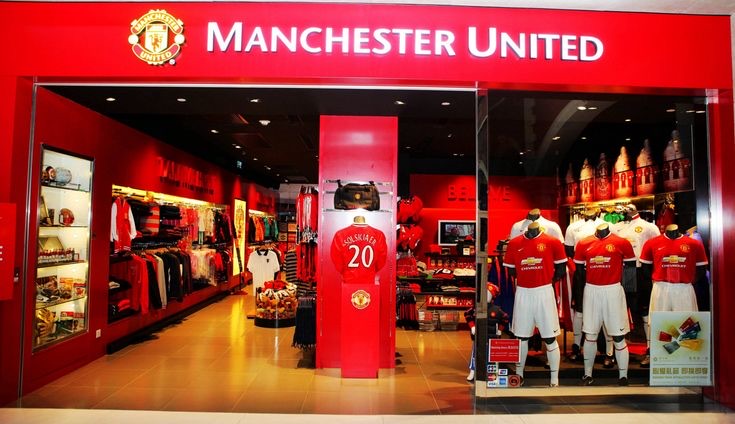
The club’s overall turnover comes from three main sources: commercial revenues, broadcasting rights revenues, and matchday revenues. Commercial revenues, which include sponsorships, merchandising, and partnerships, represent the largest share, standing at around £333 million. An important agreement with Snapdragon, one of the club’s new sponsors, contributed to this growth, showing how Manchester United continues to be a highly sought-after partner for global brands.
Meanwhile, broadcasting rights revenues increased by 15% compared to the previous season, despite the absence from European competitions. This result is mainly linked to the Premier League’s lucrative TV contracts, which distribute significant sums to clubs for the broadcast of matches both in England and abroad. Matchday revenues reached a historic record, exceeding £160 million. This was possible thanks to high stadium attendance, with an average of some of the highest spectator numbers in Europe, and an increase in ticket prices, a strategic choice by the club to further boost revenues.
Costs and income
Despite these significant numbers, Manchester United posted a net loss of about £33 million, though this is a sharp improvement from the over £110 million loss of the previous year. This negative situation results from high operating costs, which total nearly £770 million. These costs include salaries, player acquisitions and sales, management expenses, and investments in technical staff and club infrastructure.
A particularly worrying element for the club’s economic stability is the high level of debt. Manchester United has accumulated long-term debts of nearly £472 million and has ongoing transfer-related payments amounting to approximately another £565 million. This financial situation creates significant pressure, as the club must service its debt while simultaneously investing to maintain team competitiveness. The risk is that poor management could lead to liquidity problems or reduce the investments needed for sporting success.

Revenues
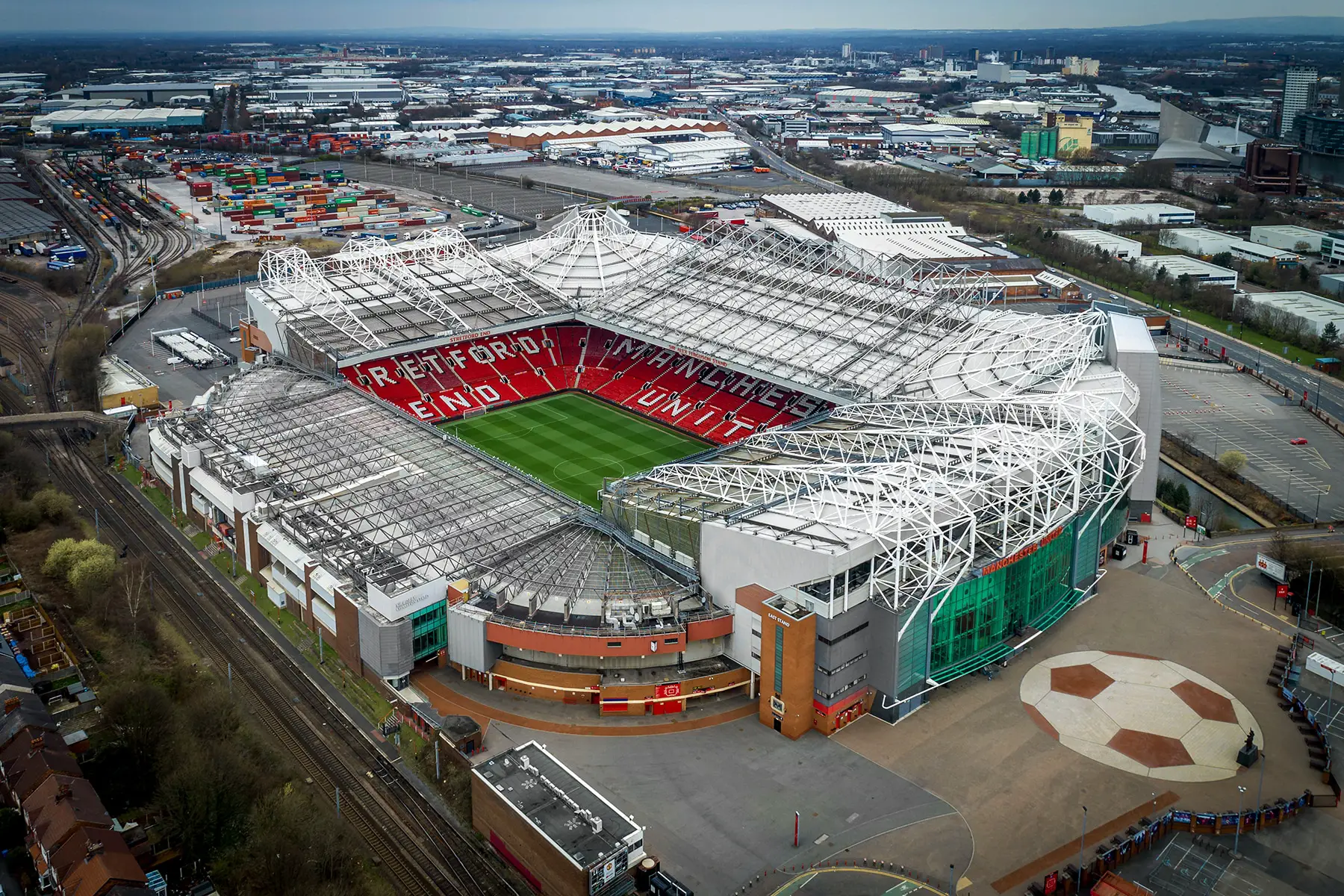
Faced with these difficulties, the club’s ownership, represented by Sir Jim Ratcliffe through the holding company INEOS, has undertaken a restructuring plan aimed at reducing costs and making the balance sheet more sustainable. Among the most significant measures were layoffs, with over 350 employees losing their jobs. These cuts mainly affect the club’s administrative and operational sectors, aiming to optimize resources and reduce current expenses. At the same time, a 5% increase in ticket prices was decided, a move intended to maximize revenues from fans regularly attending Old Trafford, the club’s legendary stadium.
However, these choices have not been welcomed positively by everyone. Many fans and historical figures of Manchester United have expressed concern about the possible weakening of the club’s culture and values, especially regarding reduced investments in social and community initiatives such as the Manchester United Foundation. This organization plays an important role in supporting social and sporting inclusion projects in the area, and its reduction signals the economic pressure the club is experiencing.
The challenges Manchester United faces are many. The failure to participate in the 2025-2026 Champions League season, in addition to being a sporting blow, will result in an estimated loss of over £100 million in revenues related to broadcasting rights, sponsorships, and ticket sales. This lack of important income forces the club to be particularly careful in financial management, trying to contain costs without compromising the quality of the team.
The high debt and the need to make targeted investments represent a difficult balance to maintain. The club will need to focus on sustainable development, which also involves enhancing young talents and adopting a more prudent market policy, avoiding excessive spending and prioritizing building a competitive squad in the long term.
Manchester United remains one of the most important entities in world football not only from a sporting point of view but also commercially. However, the current context highlights the need for more prudent and strategic management, capable of balancing the pursuit of sporting success with economic sustainability. Only in this way can the club return to competing at the highest levels without risking its financial solidity and its relationship with a passionate and always attentive fanbase to the identity of their club.