Football stadiums in England represent far more than just venues where matches are played. They have become true economic, cultural, and urban engines, capable of generating value on multiple levels: from tourism to local commerce, from employment to the international image of cities. Their importance is such that English stadiums today are not merely sports centers, but key drivers of economic development and symbols of national identity.
Follow us on social media to stay updated on the latest transfer market news: Follow us on social media to stay updated on the latest economics news: Instagram, Facebook and X.
Index
Stadiums in England
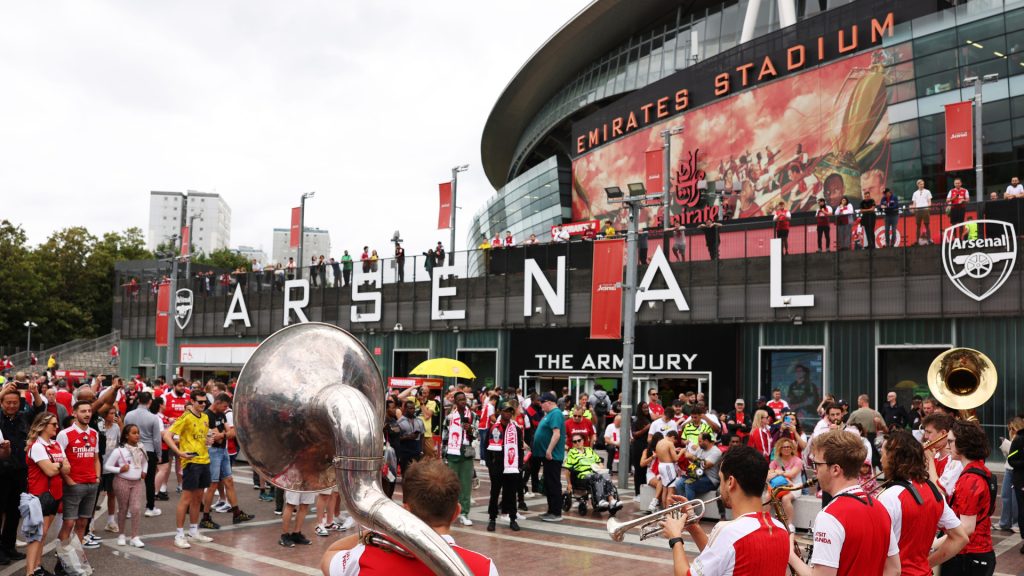
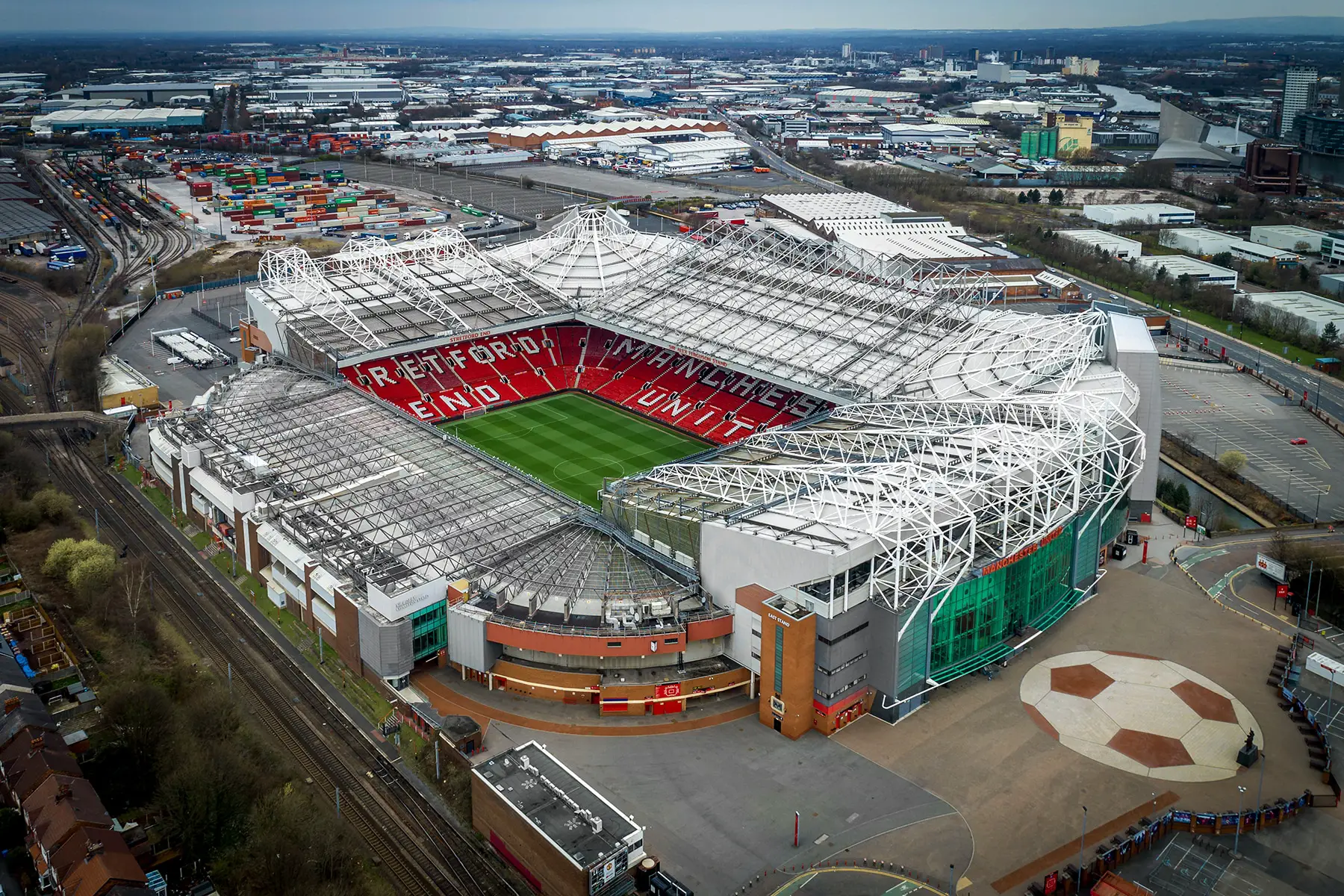
England is home to some of the most iconic and profitable stadiums in the world, such as Manchester United’s Old Trafford, Arsenal’s Emirates Stadium, Tottenham Hotspur Stadium, and the legendary Wembley, managed by the Football Association. According to several economic analyses, the total infrastructure value of Premier League stadiums exceeds £6 billion, reflecting the scale of investment and the strategic significance of these facilities.
Many of these venues are directly owned by their clubs, which operate them as real estate enterprises. The latest generation of stadiums, such as the Tottenham Hotspur Stadium inaugurated in 2019, are designed to be multifunctional: besides football, they host concerts, corporate events, conferences, and even American football games. This diversification allows clubs to maximize revenue year-round, reducing dependence on match-day income from tickets, merchandising, and catering.
Impact on Tourism and Local Economies
English stadiums attract millions of visitors each year—not only for matches but also for museum tours and club-related experiences. Before the pandemic, football tourism in the UK generated more than £1.4 billion annually, with the average visitor spending significantly more than a typical tourist. Cities like Liverpool, Manchester, and London have built part of their tourism identity around their football clubs, transforming matches into global events.

The local economic impact is equally significant. Each Premier League home game generates business for hotels, restaurants, transport, and shops in the surrounding area. According to some estimates, a single match at Wembley can bring up to £10 million to the London economy. Modern stadiums are often at the center of urban regeneration projects: the construction of the Emirates Stadium, for example, helped revitalize the Holloway district, while Tottenham’s project has driven the redevelopment of North London, creating new jobs and infrastructure.
An Evolved Business Model
The economic management of English stadiums stands out for its professionalism and entrepreneurial vision. Football clubs treat their venues as strategic assets capable of generating long-term value. Owning a stadium gives clubs greater financial independence, allowing them to control revenue streams and maintenance costs directly. Moreover, partnerships with global sponsors and brands strengthen the club’s image and secure new funding sources.
The focus on financial sustainability is accompanied by increasing environmental awareness. Many facilities, such as Manchester City’s Etihad Stadium or the new Forest Green Rovers’ ground, incorporate eco-friendly solutions and renewable energy sources, reducing environmental impact and improving efficiency. These initiatives not only generate savings but also enhance the clubs’ reputations and attract investors interested in ESG (Environmental, Social, Governance) principles.
A Massive Economic Asset
The economic value of football stadiums in England extends far beyond club budgets or ticket revenues. They are catalysts for urban development, tourist attractions, and symbols of the country’s economic dynamism. Each new stadium represents a long-term investment that influences city growth, employment, and the UK’s competitiveness in the global sports arena.
Ultimately, English stadiums embody a successful model that combines sporting passion, innovation, and economic sustainability. They are places where football meets enterprise and where sport truly becomes an engine of value for society as a whole.