By Federico Calabrese
Follow us on social networks to stay updated on the latest transfer market news: Instagram, Facebook e X
Index
In the landscape of Italian football, Torino represents one of the most historic and deeply rooted clubs in our football scene. The granata club has managed to build a solid commercial identity over time, especially thanks to long-lasting relationships with its sponsors. Some of these have been present for over a decade, confirming a management model that focuses heavily on continuity and enhancing its image.
Torino’s Partners
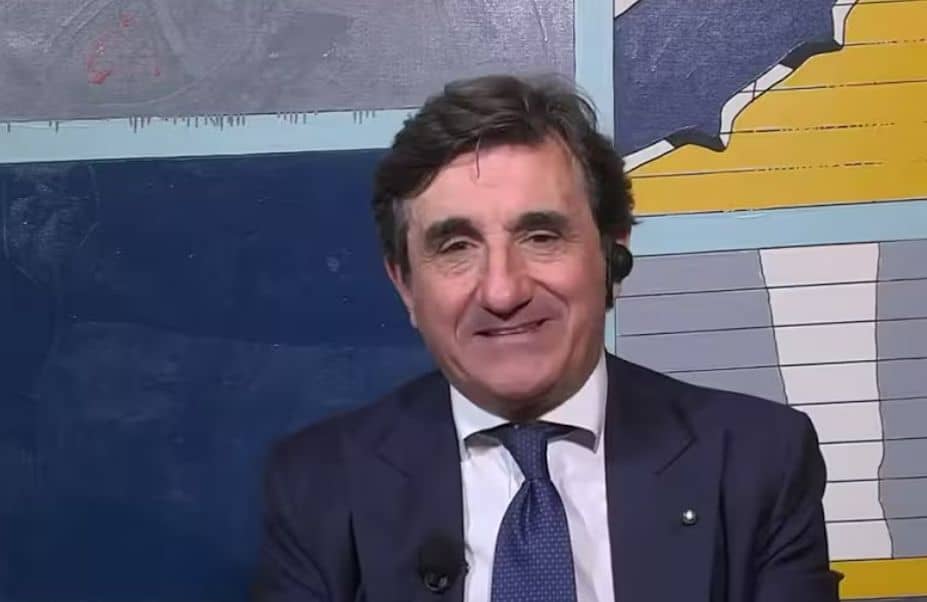
Among Torino’s main partners stands out Suzuki, the club’s main sponsor for thirteen consecutive seasons. The Japanese brand is prominently displayed at the center of the match jerseys and has become one of the distinctive elements of the granata look. This is a rare case of prolonged loyalty in the world of sports sponsorships, where partnerships often end after a few years due to economic or strategic reasons. The Torino-Suzuki partnership has almost become a brand itself, with numerous joint initiatives, advertising campaigns, and a constant presence both in stadiums and on the club’s social channels.

Beretta
Besides Suzuki, another long-standing brand associated with the club is Beretta, the historic Italian food company. Again, this relationship goes far beyond simple logo visibility. Beretta has been accompanying Torino for decades, helping to maintain a network of sponsors based more on mutual trust than purely commercial dynamics. In a football world where short-term contracts are the norm, having partners who believe in the long-term project is a significant competitive advantage.
Joma
Regarding the technical supplier, Torino relies on Joma, the Spanish brand that produces all the team’s playing, training, and representation kits. The relationship with Joma has lasted for several seasons and has resulted in a series of collections distinguished by style and quality, always in line with the club’s aesthetic tradition. In addition to providing technical gear, the sponsor also handles the distribution of official merchandise, an important revenue stream for any professional club.
From an economic perspective, the overall sponsorship package for the kits (including main sponsor, sleeve sponsor, and back sponsor) guarantees Torino an estimated amount of around 5 million euros per year. This figure is not official but is based on estimates drawn from comparisons with other Serie A clubs and the limited public documents available. Compared to the top clubs in the league, which can count on revenues ten times higher from just the main sponsor, the amount appears modest. However, for a club with a smaller budget and less ambitious sporting goals internationally, it still represents a solid base for planning seasons with a certain degree of stability.
The operation of sponsors in modern football is quite complex. Each contract includes a series of clauses that go far beyond the simple annual payment for logo visibility. Agreements often include bonuses linked to sporting results, TV visibility, appearances in European competitions, as well as mutual obligations regarding promotional events, advertising, image rights usage, and participation in marketing campaigns. For example, a club qualifying for European cups can see a significant increase in the value of its sponsorship package, as international visibility attracts new partners or convinces existing ones to invest more.
Beyond the jersey, there are other sponsorship spaces: shorts, sleeves, back, advertising boards around the pitch, training gear, pre- and post-match interviews, and the stadium itself. Everything becomes a communication vehicle for partner brands. For this reason, clubs don’t only look for sponsors willing to pay but also companies that share their values and audience. Suzuki, for example, is not just a commercial partner: it is part of Torino’s visual and narrative identity. The same goes for Joma, which dresses the team not only on the field but also in the fans’ imagination.
One of the most interesting aspects of Torino’s sponsorship management is precisely continuity. In an era where collaborations are often short-lived and subject to opportunistic logic, the granata club has preferred to consolidate long-term relationships. This approach ensures economic stability, allows for long-term marketing campaigns, strengthens the club’s credibility in the eyes of other potential sponsors, and gives fans a sense of coherence, which never hurts.
Of course, there are challenges. The lack of consistent qualification for European cups, competition from clubs with more international visibility, and the objective limits of the fanbase compared to metropolises like Milan or Rome mean that Torino’s sponsors have more modest expectations. However, precisely for this reason, loyalty and synergy become decisive weapons. It’s better to have a sponsor who invests less but stays for ten years than one who pays a lot for just one season and then leaves.
Ultimately, Torino represents a virtuous example of how a mid-level club can build a sustainable sponsorship model. The strength lies not so much in the amount of money received but in the quality of the relationships built. A jersey is not just a sports garment; it is a visual manifesto—and those who choose to appear on it, in Torino’s case, know they are part of a long, passionate, and authentic story.