Follow us on social media to stay updated on the latest news and exclusives about international football: Follow us on social media to stay updated on the latest news and exclusives about international football: Instagram, Facebook and X
Index
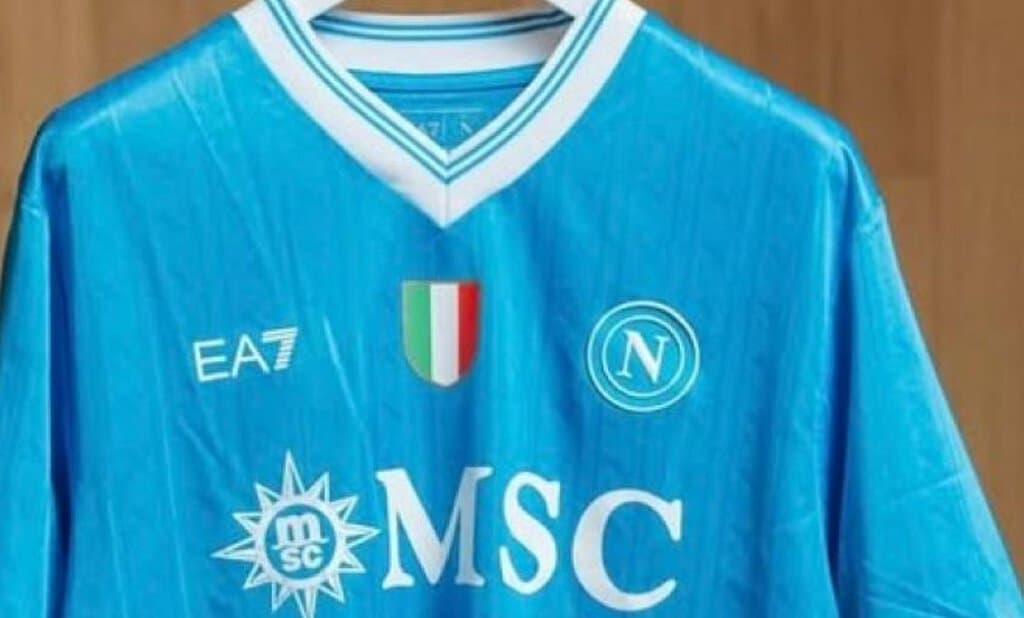
In modern football, sponsors are a vital financial component for clubs, especially those competing at the highest national and international levels. SSC Napoli is one of the clubs that has successfully navigated this space: among its main sponsors are MSC Cruises (main shirt sponsor) and Armani (through the EA7 line as technical sponsor and kit designer).

How much does Napoli earn? How are the deals structured, what are the financial implications, and what do they mean for the club and its sponsors?
Who the sponsors are and what roles they play
MSC Cruises: A leading company in the cruise industry. For Napoli, it is the global main sponsor — the brand that appears as the primary logo on the match shirt. After years as a secondary sponsor, it became the main shirt sponsor starting from the 2023/2024 season.
EA7 / Emporio Armani: Fashion brand by Giorgio Armani, which supplies Napoli’s kits as the technical sponsor. The agreement includes the design of official kits, some matchday apparel, and technical gear. Production and commercialization are handled jointly with the club. The deal has been renewed several times.
Here are the main known figures from these agreements, in euros:
| Source / Type of Sponsorship | Season / Period | Annual or Total Value |
|---|---|---|
| Main Sponsor (shirt) – MSC Cruises | 2024–25 | approx. €9 million/year from MSC |
| Total Shirt Sponsorship (front + back) | 2024–25 | approx. €12 million total: €9M from MSC + ~€3M from Sorgesana (back sponsor) |
| EA7 / Armani Agreement (design / technical sponsor) | Started in 2021, renewed | A 2021 Football Benchmark / KPMG report estimated the deal at around €9 million |
How it works: structure of the agreements
Main Sponsor / Shirt:
The sponsor pays to have prime visibility — their logo appears in the most prominent position on the first team’s shirt (“front of shirt”). Contracts often include clauses for exposure in competitions, media presence, billboards, LED signage, ads, and promotional activities. MSC holds this role for Napoli.
Technical Sponsor / Kit Supplier:
The company (EA7/Armani) designs the kits, handles creativity, and typically also produces, distributes, and sells the merchandise. In many cases, the technical sponsor pays the club for the rights, or under a “licensing/royalty” model, the club retains more profit from sales, and the sponsor receives a fixed fee or percentage. In Napoli’s case, the club is directly involved in production and sales — not just a passive recipient.
Secondary Sponsors:
Besides the main (front) sponsor, there are other placements — back of the shirt, sleeves, shorts, etc. These usually bring in smaller amounts but significantly contribute to the overall sponsorship revenue. For Napoli, Sorgesana is the back sponsor.
Merchandising:
Sales of official replica kits, technical gear, accessories, etc. Revenues are often split between the club and the technical sponsor/licensee. With EA7, Napoli retains a part of the profits, as it is involved in production and licensing.
Revenue from sponsors (main + secondary) helps cover operating costs (salaries, management, infrastructure) and allows investment in the squad and facilities. For Napoli, receiving about €12 million/year just from shirt sponsorship is substantial.
Thanks to the vertically integrated model with EA7, Napoli likely retains a higher margin from merchandising compared to clubs that outsource all kit production to third-party sponsors.
Production/Inventory Costs:
Producing the right quantity of kits is tricky. Overproduction leads to unsold stock; underproduction fails to meet demand. Materials, logistics, and licensing add further costs. Clubs producing in-house also invest in storage and distribution.
Sporting Performance Fluctuations:
The better the team performs (league, European cups), the greater the visibility and potential value of sponsorship deals. Poor performance can trigger renegotiations or sponsor exits.
Reputation & Trends:
Sponsors care about image. Ethical, disciplinary, or reputational issues can lower a club’s value as an advertising platform.
Competition:
Other clubs are constantly seeking better sponsors; brands are looking for more profitable partnerships. Clubs need commercial appeal beyond the pitch.
Napoli ranks high in Serie A in terms of main sponsor revenue: MSC is estimated to pay about €9 million annually — more than many rival clubs receive.
As for technical sponsorship and merchandising, Napoli’s model is notable: EA7 designs, while the club often manages production and commercialization — unlike most clubs, which outsource these entirely.

Future Outlook
-
Growth in sponsorship value: Continued success and international visibility (e.g., Champions League) could lead to more lucrative deals with MSC, EA7, and other sponsors.
-
Merchandising expansion: With strong demand, there’s room to grow international sales, e-commerce, special editions — all boosting margins.
-
Contract innovation: More performance-based bonuses, visibility metrics, shirt sales incentives.
-
Sustainability & CSR: Agreements may include social/environmental contributions. EA7/Armani already allocates part of proceeds to local initiatives.
The partnerships between MSC Cruises and Napoli, and EA7/Armani and Napoli, are examples of advanced sponsorships — not just “pay and display the logo,” but collaborations across design, production, image, and brand identity.
Napoli currently enjoys strong numbers: approx. €9 million/year from MSC as main sponsor, €12 million total from shirt sponsors (main + back), plus revenues from merchandising and licensing with EA7.
To maintain or grow this income, Napoli must preserve sporting competitiveness and global appeal.