By Federico Calabrese
Follow us on social networks to stay updated on the latest transfer market news: Instagram, Facebook e X
Index
In recent years, Arsenal has undergone a profound transformation — not only on the pitch but also in its financial accounts. A historic institution in English football, with an identity deeply rooted in North London, the club today has become a modern revenue-generating machine, capable of moving hundreds of millions of pounds each year. Yet, the path toward financial balance remains challenging, in a context where sporting ambitions and economic sustainability must inevitably coexist.

Arsenal’s Financial Report
Arsenal’s financial report for the fiscal year ending May 31, 2024, marks a turning point in the club’s recent history. For the first time, total revenues exceeded £600 million, reaching approximately £616.6 million.
This is a historic record, made possible by a combination of favorable factors, including a return to the UEFA Champions League, increased commercial revenues, and a substantial rise in matchday income. It was a remarkable leap compared to the previous year, when revenues stood around £466 million — an increase of approximately 32% in just twelve months, reflecting a business model in strong expansion.
However, despite this revenue surge, the club ended the year with a net loss of about £17.7 million — a figure that calls for careful consideration. It is, nonetheless, a significant improvement compared to the previous year’s loss of over £50 million but still highlights the heavy cost structure Arsenal bears.

Club Revenues
The club’s revenues stem mainly from three pillars: broadcasting rights, sponsorships, and matchday activities. The return to the Champions League had a direct and decisive impact, especially in broadcasting. European competition brought substantial income thanks to UEFA prize money, international TV rights, and increased global visibility.
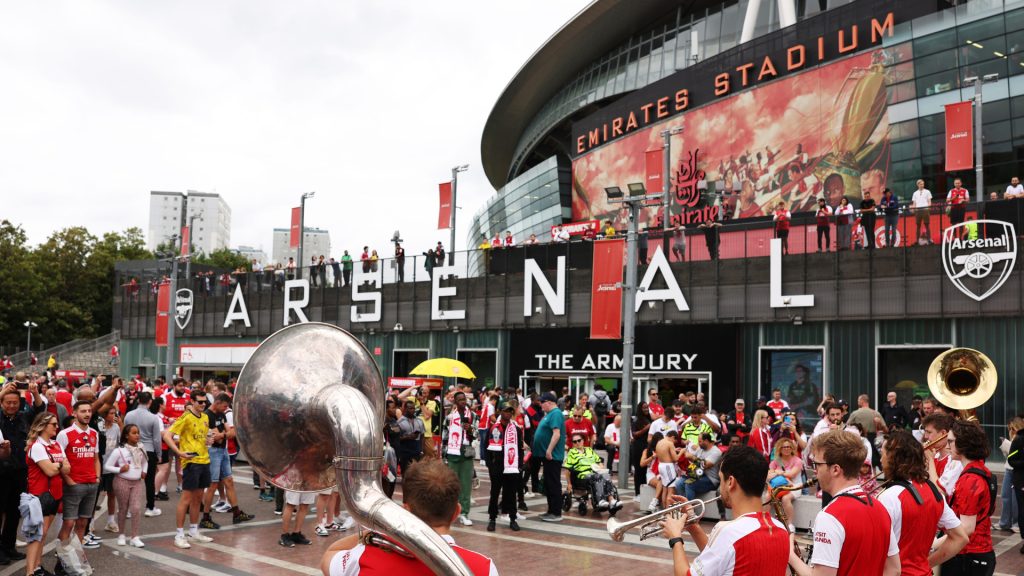
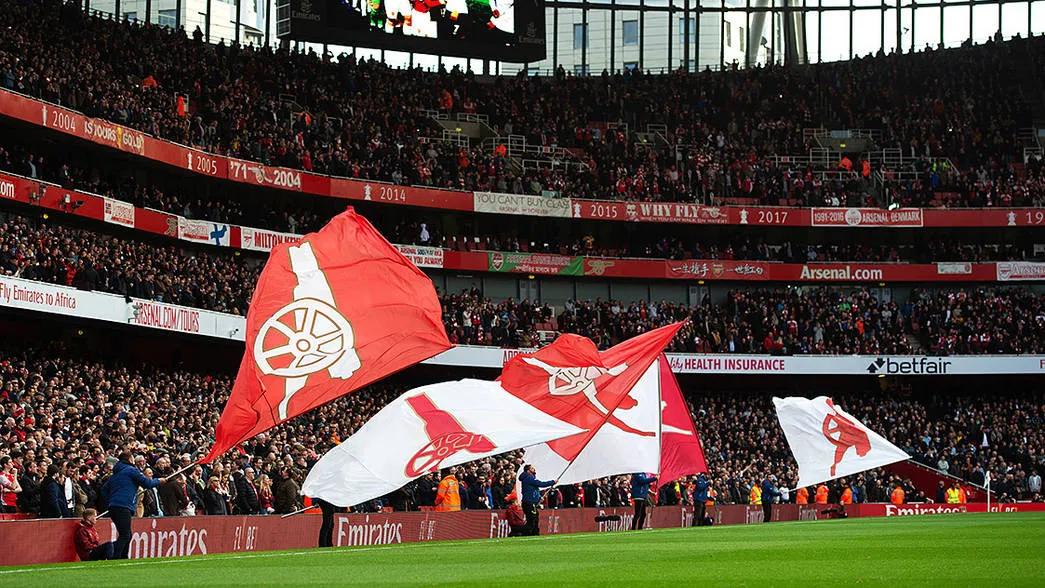
Additionally, participation in the Champions League also boosted attendance at the Emirates Stadium, with record revenue from ticketing and hospitality. Matchday revenues reached unprecedented levels in the club’s history, surpassing £130 million.
The commercial side also saw significant growth, thanks to new sponsorship deals, merchandise sales, and a carefully crafted global marketing strategy. Arsenal has especially succeeded in enhancing its brand internationally, with a strong focus on the U.S. and Asian markets — helped by the American ownership of Kroenke Sports & Entertainment.
The club has invested heavily in strengthening its visual identity and expanding its digital presence, creating new monetization opportunities across media and social platforms.
Costs and Income
But all this was not enough to offset rising costs. One of the main factors behind the negative result was the increase in the wage bill. The team’s sporting growth, with an increasingly competitive squad, inevitably led to higher spending on salaries and bonuses.
Total wages surpassed £325 million — a figure aligned with top European clubs but one that weighs heavily on the financial statement. Added to this are player amortizations, another major item in operating costs. In just one year, squad amortization cost nearly £172 million, reflecting significant investment in transfers in previous seasons.
From a financial structure perspective, Arsenal is still in a solid position. The club isn’t burdened with excessive debt, especially since a portion of the loans has been provided directly by ownership under very favorable terms — in some cases, even interest-free.
This allows for a degree of flexibility in managing expenses and investments, particularly at a time when financial stability is a competitive advantage. The overall enterprise value of the club is currently estimated at over €4 billion, highlighting not only economic but also reputational growth of the Arsenal brand.
The journey toward fully sustainable financial balance is not yet complete. The operating margin remains thin, and the risks linked to potential sporting failure are high. If the club fails to qualify regularly for the Champions League, or if performances on the pitch decline, the economic impact would be immediate — with significant losses in TV rights, UEFA prizes, and stadium income.
Added to this are the financial regulations imposed by the Premier League and UEFA, which set strict criteria on acceptable losses and the cost-to-revenue ratio. The club has stated it operates in full compliance with these rules, but the pressure to keep finances in line remains constant.
The future challenge will therefore be to consolidate revenues while keeping cost growth under control. It will be crucial to strengthen the commercial side further, aiming to decouple part of the income from sporting results.
Developing new global partnerships, expanding digital presence, and making more strategic use of media channels could make a big difference in the medium to long term. At the same time, investments in the squad and contract renewals must be managed carefully, to avoid a cost explosion that could undermine profitability.
Today, Arsenal represents a fascinating case of a club in transition: financially strong, with a solid brand, a global fan base, and an ambitious sporting project — yet still seeking a fully sustainable balance. The path taken is promising, and the results so far indicate the club is moving in the right direction. But the margin for error remains small, and each season becomes crucial — not only for league standings but also for the bottom line.