By Federico Calabrese
Follow us on social networks to stay updated on the latest transfer market news: Instagram, Facebook e X.
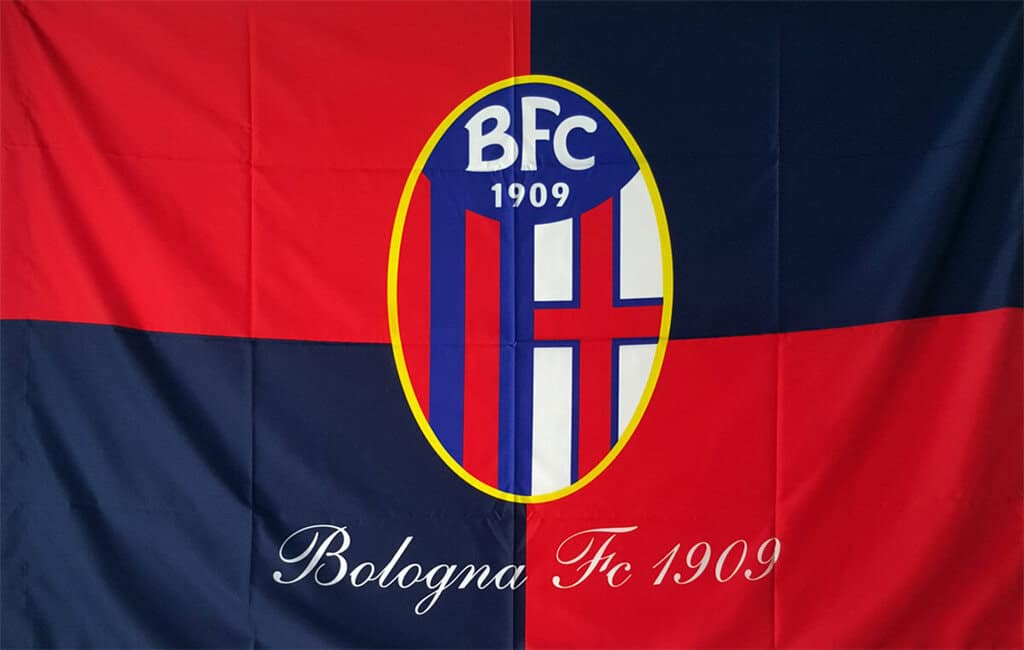
In modern football, sponsors have become much more than logos printed on a jersey. They represent a crucial part of a club’s identity, contribute to its financial stability, and tell a piece of the team’s recent history, its connection to the local area, and its ambitions. Bologna FC is no exception. In fact, in recent years, the club has navigated the sponsorship landscape with great skill, building a strong network of partners aligned with its image.

Bologna and Macron
One of the most recognizable faces of Bologna—beyond its players—is undoubtedly the Macron brand. The Emilia-based company, headquartered in Valsamoggia, has been the club’s technical sponsor for several years, and the partnership has been renewed multiple times. It’s not just about producing jerseys and sportswear: Macron is a full-fledged partner, involved in marketing, promotion, and merchandising activities. At a time when many clubs are choosing global suppliers with purely commercial logic, Bologna has decided to rely on a local excellence, making its jersey a true symbol of the region.
Illumia
Another name closely tied to Bologna is Illumia, a company in the energy sector. Illumia has served as the back sponsor on Bologna’s shirts for several seasons and has played a central role in many of the club’s communication initiatives. Once again, this is a Bolognese company choosing to align itself with a local sports reality with conviction and continuity. It’s not just about visibility: it’s a pact, a synergy between businesses that want to grow together and speak the same language—that of the city.
Bologna and Saputo
The main sponsor, on the other hand, is the Saputo Group—not a local company, but one that still represents a deep connection to the club’s ownership. Joey Saputo, a Canadian entrepreneur of Italian descent and owner of Bologna FC, wanted to bring his dairy brand to the forefront. It’s a symbolic choice that highlights the personal bond between the owner and the team, but also a strategic marketing move, considering Serie A remains a major showcase on the international stage.
So how much does Bologna actually earn from these sponsors? Exact figures are not always public, but various reliable sources estimate that the main sponsor alone—the primary logo on the jersey—brings in about €4 million per year. It’s not top-club money, but it aligns with Bologna’s ambitions and scale. Macron, the technical sponsor, contributes around €1.5 million annually, in addition to indirect revenue from merchandise sales, sales royalties, and other collaborative efforts.
Other sponsors—those whose logos appear on the back of the jersey, sleeves, or other locations—add further income. In past seasons, such as 2018–2019, the overall value of Bologna’s kit, excluding the technical sponsor, was estimated at around €2 million. Illumia, for example, invested approximately €300,000 to appear as a back sponsor. When combined, these figures bring total sponsorship revenue to well over €5 million per year. If other commercial, advertising, and promotional partnerships are included, overall marketing and commercial revenues approach—and in some seasons exceed—€11 million.
These numbers carry even more weight when compared to the club’s overall financial statements. In seasons like 2019–2020, sponsorship revenue made up around 8% of the total turnover. That’s a significant portion for a club like Bologna, which cannot rely on massive income from TV rights or regular participation in European competitions. Sponsorships are therefore essential for ensuring continuity, planning, and financial stability.
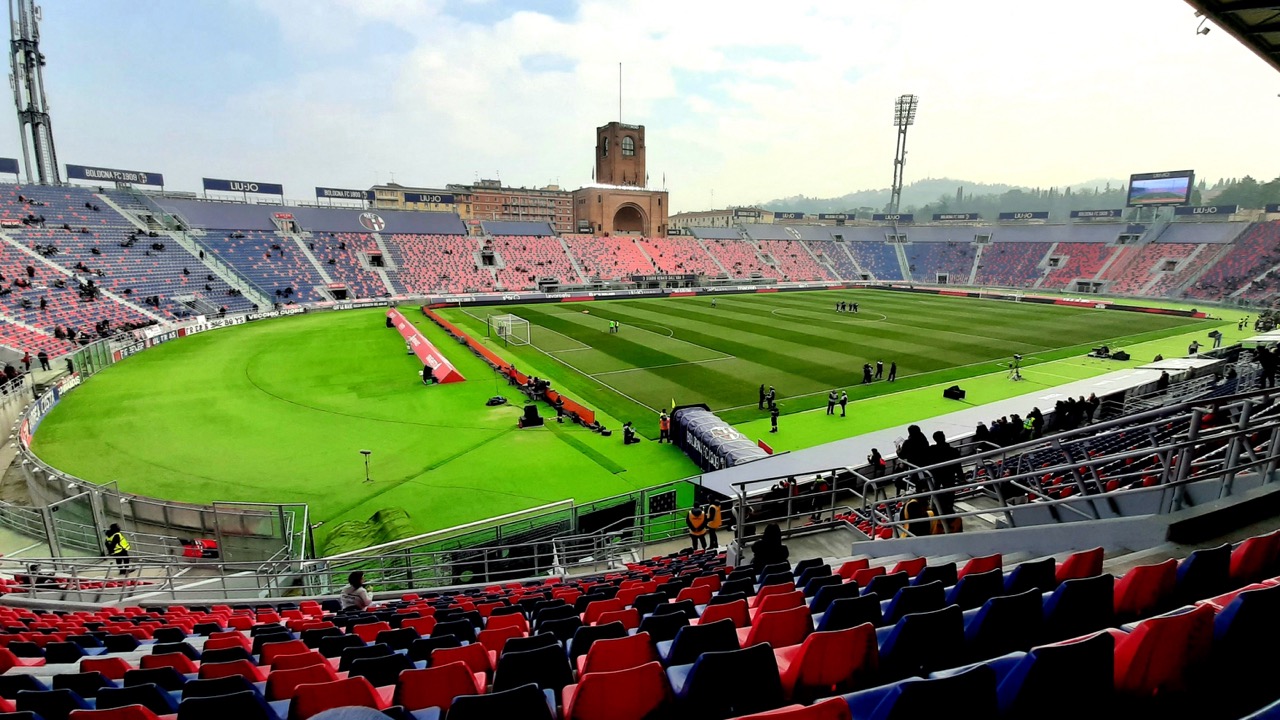
Beyond the numbers, there is an even more important aspect: identity. The choice of sponsors is never neutral. Bologna has managed to build a portfolio of partners who are consistent with its image: solid, local (or otherwise linked to the club’s history), and reliable. It’s a strategy that pays off in the long term, strengthening the bond between the team, the city, and its supporters. It’s no coincidence that the Dall’Ara stadium is one of the grounds where fans report the highest sense of belonging.
Looking ahead, there is no shortage of growth opportunities. Participation in European competitions, for example, can greatly increase visibility and, with it, the value of sponsorship space. Digital content—across social media, streaming platforms, and exclusive behind-the-scenes material—also opens new avenues for monetizing the Bologna FC brand. Many companies today are looking not only for space on a jersey, but for integrated presence in the club’s daily storytelling: posts, videos, live events, and backstage content.
Bologna has shown in recent years that it knows how to intelligently leverage its brand and partnerships. In an increasingly competitive and globalized football world—where big clubs claim the lion’s share of TV and commercial revenues—building a solid, consistent, and productive sponsorship network is a sign of managerial maturity. And perhaps, that’s exactly the path that will lead the club toward ever more ambitious sporting goals.