

By Marta Elena Casanova
Follow us on social networks to stay updated on the latest transfer market news: Instagram, Facebook e X.
Index
The year 2025 brings a landscape full of success for Italian female athletes. The tennis players have brought home the Billie Jean King Cup again, women’s football is growing after turning professional, and the Azzurre have consolidated their place in the European scene. But when we move from the pitch to economics, the picture changes dramatically: the earnings of female tennis players and footballers remain far behind those of their male counterparts, even when results are similar.
Men’s and women’s tennis: same racket, different prizes
Tennis is often cited as the sport that has done the most to close the gender gap. In Grand Slam tournaments, prize money has been equal for years: winning Wimbledon or the US Open pays the same whether you’re Novak Djokovic or Iga Świątek. But equality stops there.
Looking at the 2024 season:
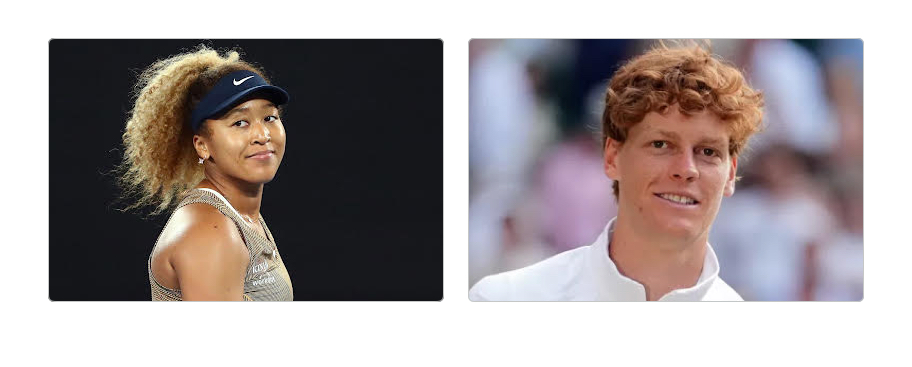
• Jannik Sinner earned over $15 million in prize money, plus more than $20 million from sponsors (Gucci, Nike, Rolex, Lavazza).
• Jasmine Paolini, Italy’s top female player, made just over $3 million in prize money, with sponsorships growing but still far below her male colleague’s figures.
The difference is not in the rules but in visibility and commercial power: men’s matches still attract more TV audiences and sponsors, creating a revenue gap that won’t close anytime soon.

Football: an even wider gulf
If women’s tennis at least ensures millionaire earnings for its champions, football remains a different world entirely.
In men’s Serie A, the average salary exceeds €1.5 million per season, with top players like Vlahović or Lautaro Martínez earning €8–10 million net per year. In the Premier League or La Liga, figures are even higher.
In Italian women’s football, the average salary hovers around €15,000 gross per year, with minimums starting just above €20,000. Only top players like Cristiana Girelli or Valentina Giacinti earn around €200–225,000 gross. The gap is staggering: the best Italian female footballers earn roughly what a top male player makes in a week.
Abroad, the picture improves only slightly: in the United States, stars like Alex Morgan earn over $1 million annually through contracts and sponsorships, but that’s still miles away from Messi or Mbappé, who make over $100 million a year from salaries and endorsements combined.

Sponsorships: the weight of image
The gap widens even more in marketing. In men’s tennis, Sinner has become a global brand, with partnerships worth more than his on-court winnings. Djokovic and Nadal remain among the world’s highest-paid athletes even past the age of 35.
In men’s football, Cristiano Ronaldo and Lionel Messi have built financial empires, with annual incomes between $100 and $150 million. Even players without superstar status but with international exposure earn more than any female athlete on the planet.
In women’s sports, even global icons struggle to keep pace:
• Naomi Osaka, former world number one, earned over $50 million in 2022, but she’s an exception tied to her enormous popularity in Japan and the U.S.
• Alexia Putellas, Ballon d’Or winner, signed with Nike and other major sponsors, but her annual earnings remain around $2–3 million.
Social media
The only field where the difference seems to shrink is social media. Female athletes are beginning to compete almost equally with men here. Alex Morgan has around 10 million Instagram followers, placing her among the most followed female athletes in the world. Coco Gauff and Emma Raducanu also have strong digital communities (around 3 million each), rivaling many male counterparts.
In Italy, the gap remains: Sinner has 5 million followers, while Paolini and Girelli have about 700,000 and 262,000, respectively. Still, the trend is positive. Social media may prove crucial in attracting new sponsors interested in digital engagement, helping bridge the economic divide.
Why does the gap persist?
There are several reasons:
• TV audience – Men’s competitions still attract far higher viewership.
• History and tradition – Men’s sports have benefited from decades of investment before the women’s game could emerge.
• Marketing strategy – Global brands remain cautious toward women’s sports, with only rare exceptions.
• Revenue distribution – In football, TV rights are concentrated in the men’s game; in tennis, men’s tournaments have bigger sponsors and audiences.
The comparison between men and women in professional sports remains stark. In tennis, equal prize money in the Slams is symbolically important, but total revenues are still dominated by men. In football, the gulf is even wider: female players’ salaries and sponsorships simply can’t compete.
Yet, change is on the horizon. Paolini’s success, the growth of women’s Serie A, and the power of social media are opening new paths. The road to economic equality will be long, but the foundations are set: talent and passion have no gender — and deserve equal recognition.
By Marta Elena Casanova

