By Federico Calabrese
Follow us on social networks to stay updated on the latest transfer market news: Instagram, Facebook e X
Index
In modern football, sponsors are not just logos printed on jerseys or pitchside advertising boards—they are a crucial component of a club’s economic model.
Genoa’s Sponsors
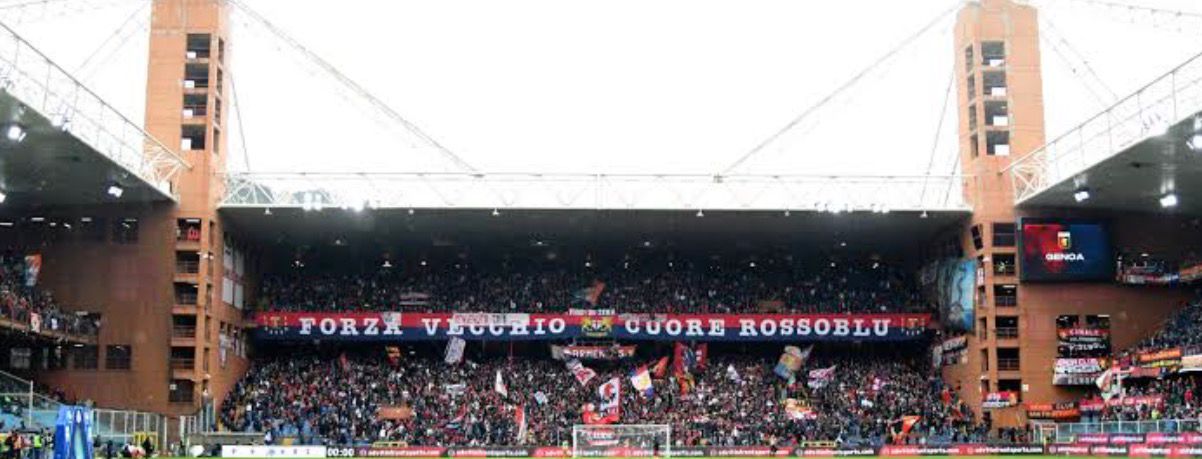
Even in the case of Genoa, Italy’s oldest football club and a historic symbol of Italian football, sponsorship has taken on an increasingly important role in the financial balance of the organization. Under the management of the 777 Partners fund, the Rossoblù have carefully built a network of strategic commercial partnerships designed to provide visibility, identity, and—most importantly—essential income for financial sustainability.
Pulsee
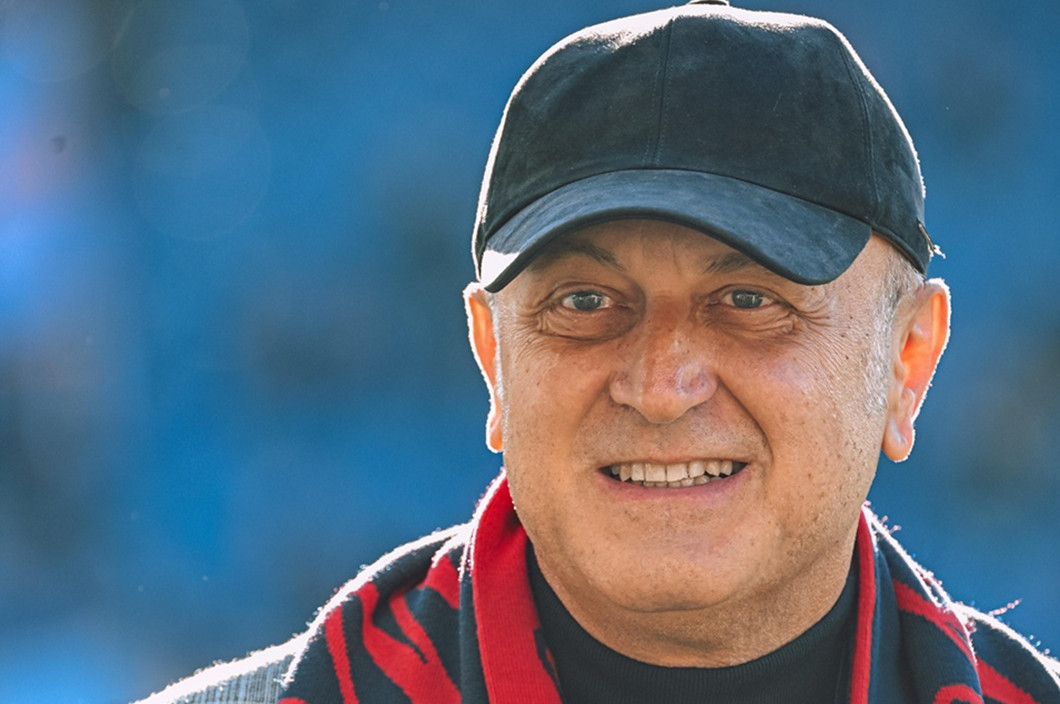
One of the most prominent sponsors in the 2025/26 season is Pulsee Luce e Gas, a brand belonging to the energy group Axpo Italia. The partnership with Genoa began in 2023 when Pulsee became the club’s front jersey sponsor, meaning the main shirt sponsor, occupying the most visible area on the match kit.
Innovation and Tradition
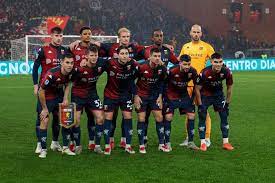
From the outset, it was a significant choice—not only for the economic value of the deal but also for the modern and environmentally friendly image of the brand, which found in Genoa an effective and direct communication platform with a loyal and local fan base. Pulsee, in fact, didn’t stop at simply displaying its logo: the partnership has led to integrated marketing campaigns, promotions for fans, energy offers tailored to Genoa supporters, and even discounts on official shirts. According to some journalistic estimates, the agreement between Pulsee and Genoa brings the club around €1.2 million per season, a figure in line with what is earned by clubs of similar size in the Serie A landscape.
Beyond Pulsee, another key player in Genoa’s commercial structure is Kappa, the technical sponsor that rekindled a historic partnership with the Rossoblù in 2023. Kappa resumed production of Genoa’s official kits after a few years’ hiatus, through a multi-year agreement signed with BasicNet, the holding company that owns the brand.
It is a five-year contract that guarantees the club not only the full supply of technical gear—from match kits to training apparel, including youth and women’s team kits—but also important financial support. The most reliable estimates suggest around €1.5 million per year, along with indirect revenues from merchandise sales, where Kappa plays a fundamental role. Kappa’s return was warmly welcomed by fans, thanks in part to the creative design work on the kits, which successfully blend style, tradition, and innovation.
But Genoa’s sponsorship system doesn’t stop at Pulsee and Kappa. Several other key partners help enrich the club’s commercial landscape. Among these is MSC Cruises, a long-standing sponsor that renewed its partnership with the Grifone for the 2024/25 season, placing its logo on the back of the match shirts.
Although the financial value of this deal has not been publicly disclosed, it is believed to provide Genoa with a significant sum, contributing to the total annual sponsorship income, which—according to the club’s financial report as of December 31, 2023—amounts to around €12 million. This figure, made public in the company’s documents and confirmed by reliable journalistic sources, illustrates just how essential sponsorships have become to the Rossoblù’s financial framework.
In addition to major kit and technical sponsors, there are also a number of smaller partnerships that contribute to the club’s economic ecosystem. For instance, Cepsa took on the role of sleeve sponsor for the current season, also helping with visibility and advertising revenue. This is a common strategy in modern football, where every available space—sleeves, shorts, advertising boards, and press conference backdrops—becomes a potential source of income.
But how do these agreements actually work? Typically, main sponsors sign multi-year contracts with a fixed annual fee, often with additional bonuses tied to sporting results or media visibility. For example, qualification for European competitions, increased stadium attendance, or strong television viewership can all trigger financial bonuses. At the same time, the club agrees to provide exposure for the sponsor’s brand across various platforms: official kits, social media graphics, stadium visibility, and digital campaigns.
In Genoa’s specific case, the emphasis on historic and local identity has played an important role in partner selection. Pulsee, for example, built an entire narrative around the energy of the fans, using slogans and visuals that match the tone of sports culture. Kappa, on the other hand, leaned into vintage aesthetics and high-quality materials, offering a merchandise line that has gained popularity even beyond Genoa’s core fanbase.
Merchandising revenue, estimated at around €4 million per year, rounds out the club’s commercial income picture. This figure is growing, bolstered by the popularity of Kappa’s kits and renewed interest in the Genoa brand, thanks in part to more modern and engaging communication on social media. Under the guidance of 777 Partners, the club has invested heavily in digital content creation, which is increasingly in demand by sponsors seeking measurable fan engagement.
In conclusion, Genoa’s sponsorship structure in 2025 represents a balanced blend of tradition and innovation, local identity and global vision. The deals with Pulsee and Kappa, while not reaching the astronomical figures of top Italian or European clubs, provide the Grifone with solid commercial foundations and represent a key asset for future growth. With improved sporting performance and greater media visibility, the club can aim to attract even more prominent partners, further increasing its economic strength and reinforcing its bond with one of the most passionate fan bases in Italian football.