By Andrea Caropreso
Follow us on social media to stay updated on the latest transfer news: Instagram, Facebook e X.
It’s already clear that this is not the best period in AC Milan’s history. The Rossoneri have just finished a disappointing season in terms of results, which has translated into lost revenue for the club. As a result, the technical leadership has been entrusted to the reliable Massimiliano Allegri. However, he will inevitably have to accept some sacrifices in terms of outgoing transfers to cover the €80 million gap caused by the failure to qualify for European competitions.
Tare at work
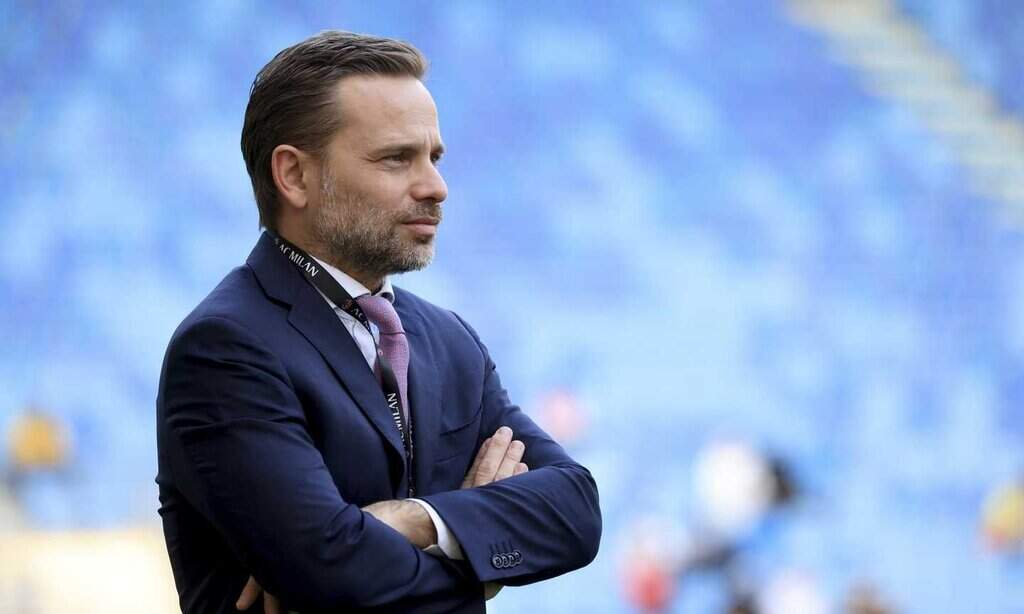
The sporting direction has been handed to former Lazio executive Igli Tare, a very capable figure known for turning necessity into virtue. During his years at Lazio, he unearthed low-cost talents who blossomed into stars, such as Milinkovic-Savic and Luis Alberto—creating significant capital gains that Milan hopes to replicate.
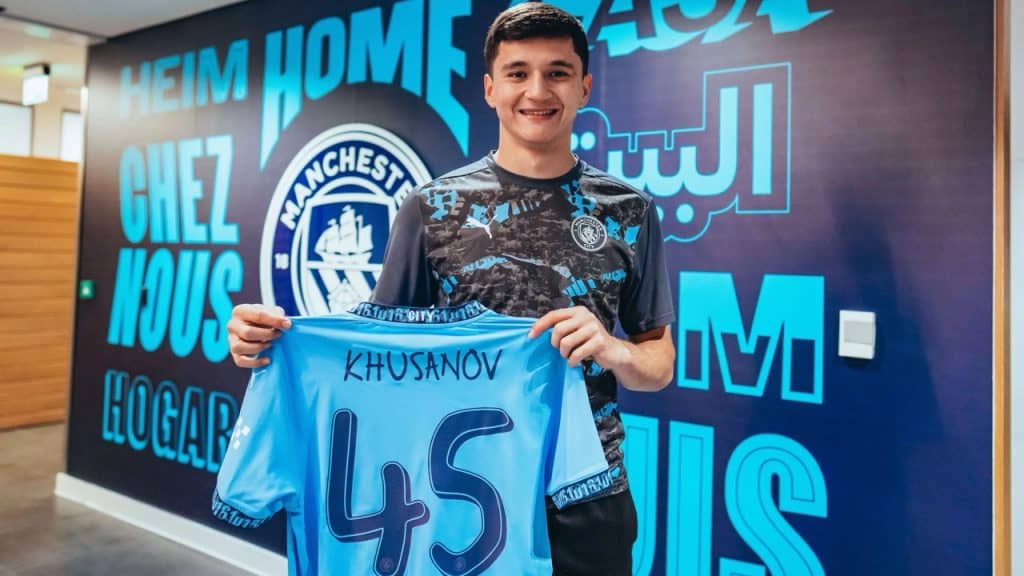
To help cover the gap left by the lack of European revenue, Tijjani Reijnders will be sold to Manchester City in a deal worth around €70 million, including bonuses. However, after amortizations, outstanding payments to AZ Alkmaar (his former club), and the difference between purchase and sale price, Milan will record a net gain of about €45 million—essentially half of what’s needed to balance the books.
During the last league match, CEO Giorgio Furlani boldly claimed that Milan was strong enough not to need painful sales despite missing out on UEFA funds. That turned out not to be the case. The reality today is that such revenues have become almost vital for top clubs. Forgoing them means having to make up the difference in the transfer market.
Balance sheet turning a profit
Despite being unpopular with fans, the sale of Reijnders will almost certainly allow Milan to close the financial year with a profit of around €13 million. This would mark the third consecutive season with a positive balance—no small feat. The sale of Reijnders will be complemented by the deal involving Pierre Kalulu to Juventus. The Bianconeri have completed his transfer, registering a positive impact of about €20 million when considering last year’s loan and the current transfer fee.
In this context, it’s worth noting Milan’s relationship with UEFA. Starting next year, the European governing body will no longer monitor Milan under the Settlement Agreement established for 2022–2025, and will instead only ensure that losses remain within the €60 million threshold.
Incoming transfers
Given this scenario, Igli Tare will have a limited transfer budget this year. Excluding sales, RedBird has allocated €30 million for incoming transfers. Additional funds may come from future player sales.

There are many positions that need strengthening, which means the Albanian director will have to get creative. One signing has already been completed: Luka Modric, the Croatian maestro who has left Real Madrid. Despite turning 40 in September, he will bring valuable experience to Allegri’s squad. Modric will earn around €3 million net for one year—a significant financial commitment for the club, especially given that he cannot be sold on for a future profit.
Returning to the Champions League is the main objective for next season. Allegri is well aware of this and wants a competitive squad despite the financial constraints and absence of European football. Another economic setback would be devastating.
By Andrea Caropreso