By Andrea Caropreso
Follow us on social media to stay updated on the latest transfer news: Instagram, Facebook, and X.
Index
Over the last thirty years, English football has changed dramatically: from the birth of the Premier League to new stadiums and billion-pound TV rights deals that have put English clubs ahead of everyone else. However, the transformations didn’t stop there. The average price of a Premier League season ticket has increased by around 800% since 1992. While part of this growth may be attributed to inflation and the rising cost of living, fans are not interested in these justifications.
Current Costs in the Premier League
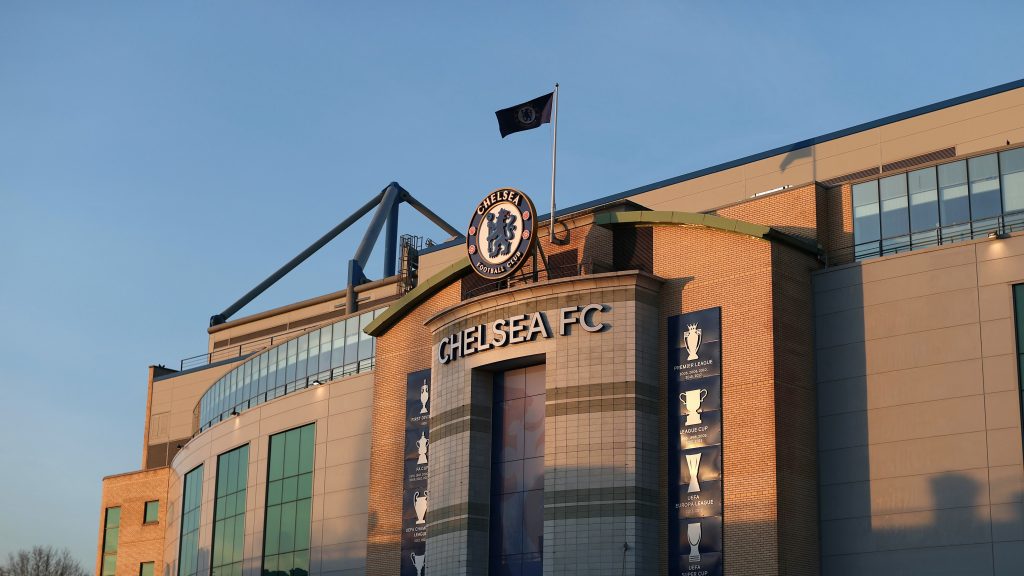
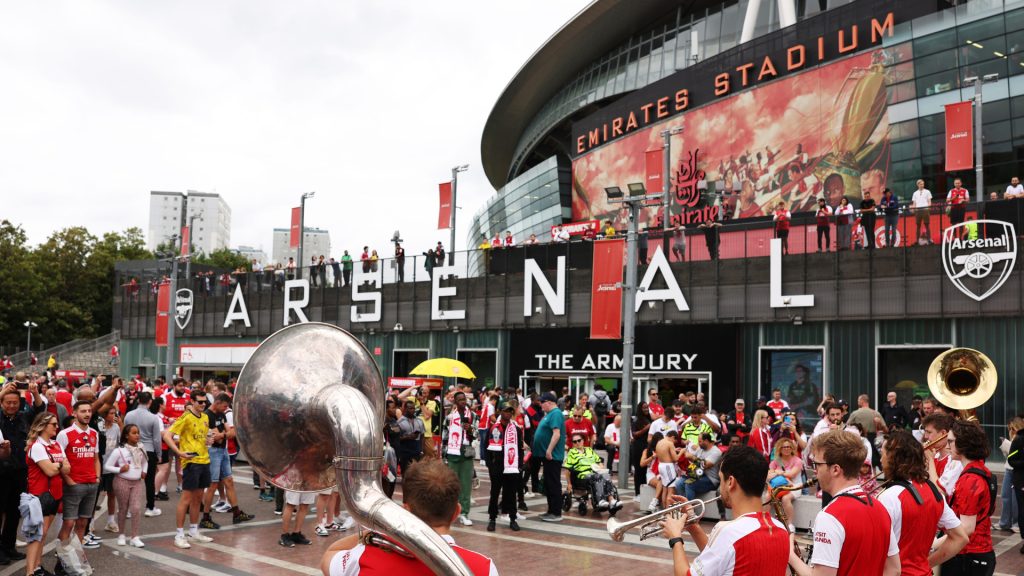
Back in 1992, a typical season ticket cost between £100 and £150. Today, that figure can easily surpass £1,000. Arsenal, Chelsea, and Spurs are among the most expensive clubs in Europe, while only a few clubs — like Brentford or West Ham — still try to maintain an affordable relationship with their local fan base.
For organized fan groups, deeply rooted in tradition and in a more community-driven vision of football — the one lived by their parents and grandparents — this situation is no longer sustainable. They describe it as a form of social exclusion, where fans are selected based on income rather than passion or loyalty.
In recent months, campaigns like “Stop Exploiting Loyalty”, launched by several fan associations including the Football Supporters’ Association, have emerged. The message is clear: clubs are monetizing their fans’ loyalty, treating them like premium customers instead of members of a shared community.
Protests have included boycotting merchandise, staging sit-ins outside stadiums, and running coordinated social media campaigns. In some cases, fans have even refused to renew their season tickets en masse, as seen with sections of the Manchester United and Newcastle fanbases.
Not all Premier League clubs are moving in the same direction. Brentford FC has become a symbol of resistance against soaring ticket prices. The club froze prices for youth categories and promised a cap of £10 per match for under-18 fans in designated areas.
The Impact of Global Inflation
A key topic for discussion is the effect of inflation on the rising costs of tickets and subscriptions. Many clubs argue that increases are a direct consequence of higher overall operating expenses. Costs for infrastructure maintenance and non-player staff salaries have grown significantly. But does this mean clubs are forced to pass on these costs to fans? Not necessarily.

Especially in the Premier League, clubs can afford to absorb many of these expenses without relying heavily on ticket revenue. Gate receipts typically represent only 15–18% of total revenue — far less than broadcasting income, which accounts for around 40% (with some exceptions, like Tottenham). Spurs, for example, have heavily invested in their new stadium and hope to generate returns through the broader “Stadium Experience”, offering fans a 360-degree entertainment event — not just a football match.
Once upon a time, a season ticket was roughly equivalent to a week’s wage. That was the 1990s, when the Premier League was just getting started and English football hadn’t yet reached today’s sky-high levels. Today, that same ticket can cost over half a monthly salary, leading to a natural selection among fans — favoring the wealthier over the working-class supporters who helped build the culture of the sport.