Football stadiums in Germany are not just sports venues — they are vital economic and infrastructural assets. Each stadium forms part of a value network connecting football clubs, local authorities, sponsors, and fans.
Follow us on social media to stay updated on the latest transfer market news: Follow us on social media to stay updated on the latest economics news: Instagram, Facebook and X.
Index
The Bundesliga, with its 18 clubs, is one of Europe’s most efficiently managed leagues. In the 2023/24 season, clubs generated about €3.8 billion in total revenue, divided among broadcasting (40%), commercial activities (46%), and matchday revenue (14%).
While matchday income is not the largest source, it remains a key indicator of financial stability and the stadium’s attractiveness.
Direct Revenue and Economic Returns
The economic value of a stadium is reflected in multiple revenue streams:
-
Ticket sales and season passes, the traditional base of stadium income.
-
Hospitality and premium areas, which increase revenue per spectator.
-
Naming rights and commercial leases, long-term sponsorship contracts worth tens of millions.
-
Non-sporting events such as concerts, exhibitions, and conventions that ensure year-round utilization.
Alongside these, stadiums carry fixed costs for maintenance, safety, and management, requiring careful planning to avoid financial strain. European experience shows that a well-designed renovation can significantly increase matchday revenues by improving comfort and services.
Case Studies: Dortmund and Munich
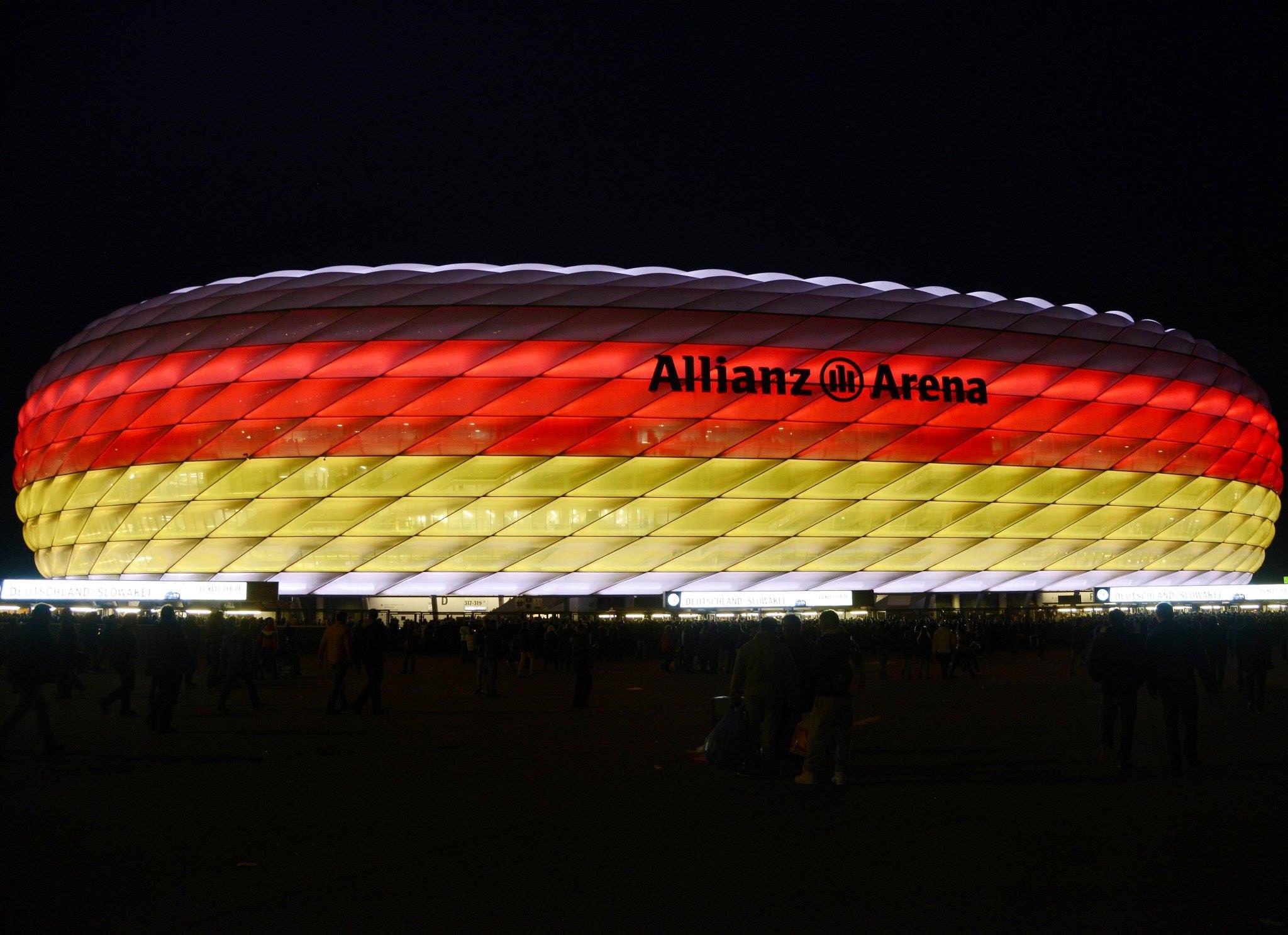
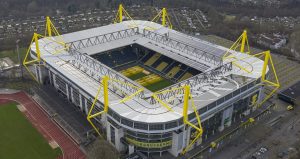
Two emblematic examples of the German model are Dortmund’s Signal Iduna Park and Munich’s Allianz Arena.
Borussia Dortmund, with a capacity of over 81,000 and an average occupancy above 95%, records over €50 millionannually in “match operations” income. The stadium, wholly owned by the club, is both an economic asset and a cultural landmark.
The Allianz Arena, meanwhile, exemplifies management efficiency and brand valorization. A study commissioned by FC Bayern estimated the combined economic impact of the club and its stadium at €4.5 billion per year for the Bavarian region, including tourism, employment, and local spending.
The Relationship with the Local Economy
German stadiums operate under a public–private cooperation model. Many are municipally or regionally owned but managed by clubs under long-term leases, distributing costs and spreading economic benefits.
Each Bundesliga match mobilizes thousands of people, stimulating transportation, hospitality, retail, and tourism. Economic studies show that the multiplier effect of a single matchday can exceed three or four times the fans’ direct expenditure.
Challenges and Future Prospects
The future economic value of German stadiums depends on three main variables:
-
Technological innovation – Digital fan engagement, contactless payments, dedicated apps, and augmented reality increase loyalty and spending.
-
Environmental sustainability – Energy efficiency and emission reduction are both financial advantages and funding requirements.
-
Multi-purpose use – Hosting concerts, e-sports, and major events ensures year-round profitability.
Stadiums in Germany as Strategic Assets
German stadiums are comprehensive economic engines: they generate direct club revenue, stimulate urban development, create jobs, and strengthen regional brands.
Smart management, innovation, and respect for fan culture are key to keeping German football competitive and sustainable.
In Germany, the stadium is more than the heart of a city’s sporting life — it is an economic, social, and cultural investment of national importance.