The football stadiums in Italy represent much more than simple sports facilities: they are places of identity, collective memory, and economic value. In recent years, the debate on the economic and patrimonial value of Italian stadiumshas intensified, pushing clubs and institutions to rethink the role of these structures within the country’s urban and social fabric.
Follow us on social media to stay updated on the latest transfer market news: Follow us on social media to stay updated on the latest transfer market news: Instagram, Facebook and X.
Index
The Historical Importance of Italian Stadiums
From the 1930s to the present day, Italian stadiums have accompanied the growth of national football and its deep bond with cities. Stadiums such as Giuseppe Meazza in Milan (San Siro), Stadio Olimpico in Rome, and Marassi in Genoa have become symbols of belonging and theaters of unforgettable sporting achievements.
However, most Italian stadiums are now considered obsolete. Many of them are over fifty years old and no longer meet modern standards of efficiency, safety, and comfort. This infrastructural gap directly affects the overall value of the Italian football system, limiting its competitiveness compared to other European countries like England, Germany, or Spain.
The Economic Value of Football Stadiums in Italy
When discussing the value of football stadiums, two aspects must be considered: the property value of the facility and the economic activity it generates.
A modern, club-owned stadium can generate revenue not only from ticket sales but also from non-sporting activities such as concerts, events, tours, restaurants, and hospitality.
In Italy, however, most football clubs do not own their stadiums; they use them under concession from local municipalities. This model severely limits investments and potential economic returns. According to several market analyses, the average value of Italian stadiums is significantly lower than that of English or German venues, which are designed as true multifunctional centers open all year round.
Examples of Enhancement and Modernization
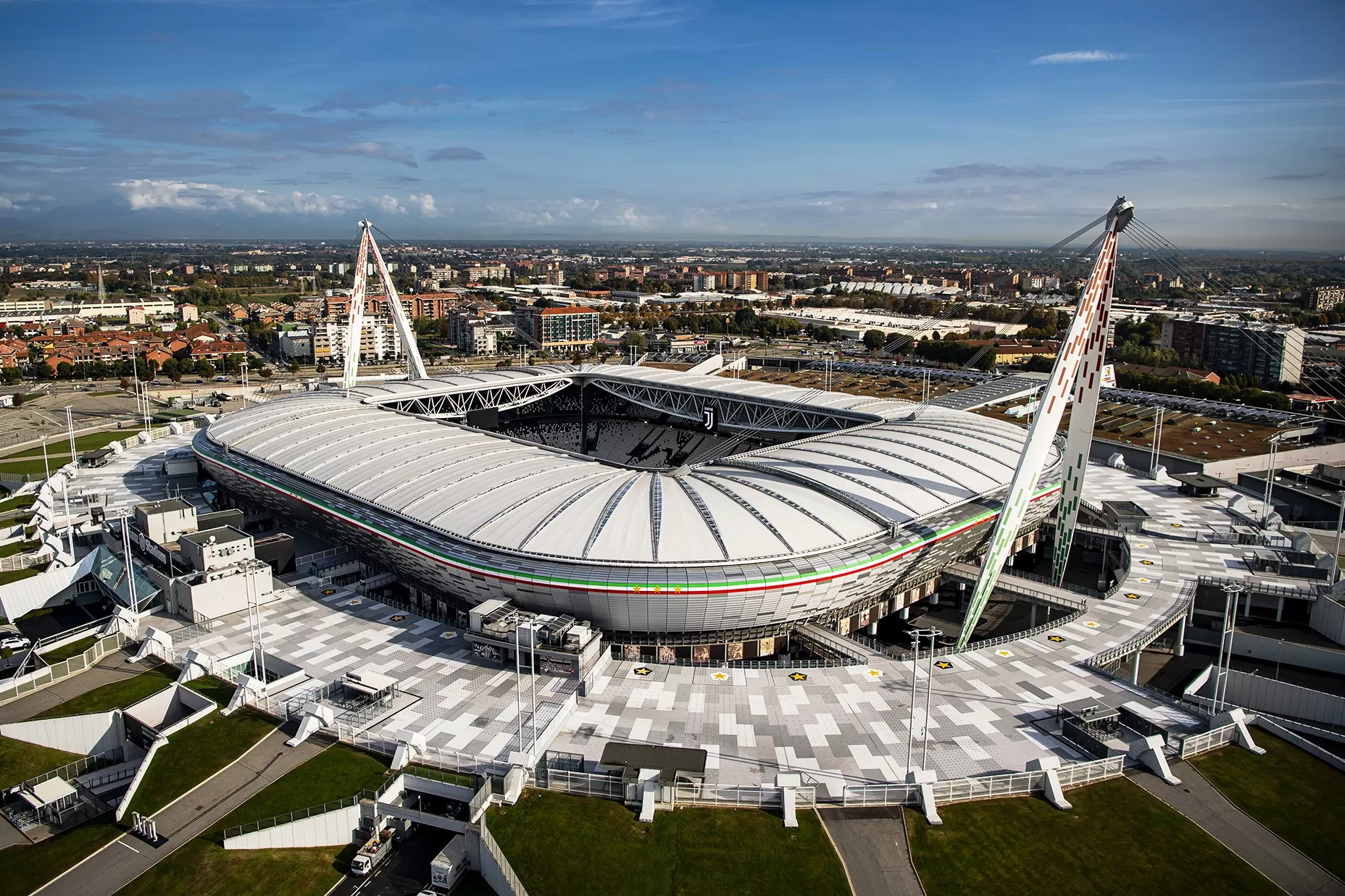
Some clubs have already understood the need for change. Juventus, with the opening of the Allianz Stadium in 2011, demonstrated how owning a stadium can revolutionize both finances and brand image. The economic value of the Turin venue is estimated at over €150 million, but its impact on the club’s revenue and reputation is far greater.
Similarly, Udinese, with the renovation of the Dacia Arena, proved that a targeted project can breathe new life into a historic facility. More recently, Roma and Milan are working on plans for their own stadiums, recognizing the importance of this strategic asset for future growth.
These examples show that modernizing football stadiums in Italy is not only a sporting necessity but also an economic and urban opportunity.

The Social and Urban Value of Stadiums
Beyond the economic side, Italian football stadiums have a strong social value. They are places of community, identity, and inclusion. Renovating these facilities also means revitalizing entire neighborhoods, improving mobility, safety, and the image of cities.
New urban development trends see stadiums as multifunctional hubs, open to the public even outside match days. Cinemas, shopping centers, football museums, and green areas contribute to increasing both the real estate and cultural value of surrounding areas.
The Future of the Value of Italian Stadiums
The future of the value of Italian stadiums depends on the ability of clubs and institutions to collaborate and attract new investments. Bureaucratic simplification, tax incentives, and long-term planning are essential.
With the UEFA Euro 2032 jointly hosted by Italy and Turkey, the issue of modernizing football stadiums has become even more urgent. This is a unique opportunity to relaunch the country’s image and enhance its sporting heritage.
In conclusion, investing in Italian stadiums means investing in the future of football and cities, generating economic, social, and cultural value.