By Marta Elena Casanova
Follow us on social networks to stay updated on the latest transfer market news: Instagram, Facebook e X.
Index
Transfer Market and Numbers
The 2025/26 season across Europe’s leagues is already underway, and while fans get excited by the first goals, analysts’ eyes miss no detail: the summer transfer market numbers continue to tell a story as fascinating as the one on the pitch. Today, football is decided first and foremost in the market: who invests, who earns, and who manages to balance spending with revenue already has a head start toward success.
Among Europe’s top leagues, the Premier League has dominated for years in economic power, with astronomical spending and clubs capable of investing billions, while Serie A aims to keep pace in the 2025/26 season with more cautious but strategic choices. The Bundesliga remains a model of balanced management, while LaLiga continues to balance investments and revenues, and Ligue 1 confirms itself as a breeding ground for exportable talent.

Financial Overview of Europe’s Top 5 Leagues
| League | Total Spending | Total Revenue | Net Balance |
|---|---|---|---|
| Premier League | €3.5 bn | €2.5 bn | –€1.0 bn |
| Serie A | €760 m | €807 m | +€47 m |
| Bundesliga | €559 m | €579 m | +€20 m |
| LaLiga | €700 m | €690 m | +€10 m |
| Ligue 1 | €571.4 m | €824.3 m | +€252.9 m |

Key Clubs per League
In the Premier League, total spending in this transfer window reached about €3.5 billion, with an estimated net negative balance of €1 billion. The figures confirm the economic power of English clubs, capable of investing enormous sums to strengthen teams without compromising financial balance.
In Serie A, the main transfer market players for 2025/26 were Juventus, Milan, and Napoli. Juventus invested €118.5 million, closing with a negative balance of €35 million, while Milan spent €111 million but generated a positive balance of €52.8 million thanks to sales. Napoli invested €107 million, with a positive balance of €19.45 million, confirming the ability to strengthen without compromising financial stability.

In the Bundesliga, RB Leipzig spent €92 million, while Borussia Dortmund invested €57 million, confirming traditional German prudence and a focus on young talent.
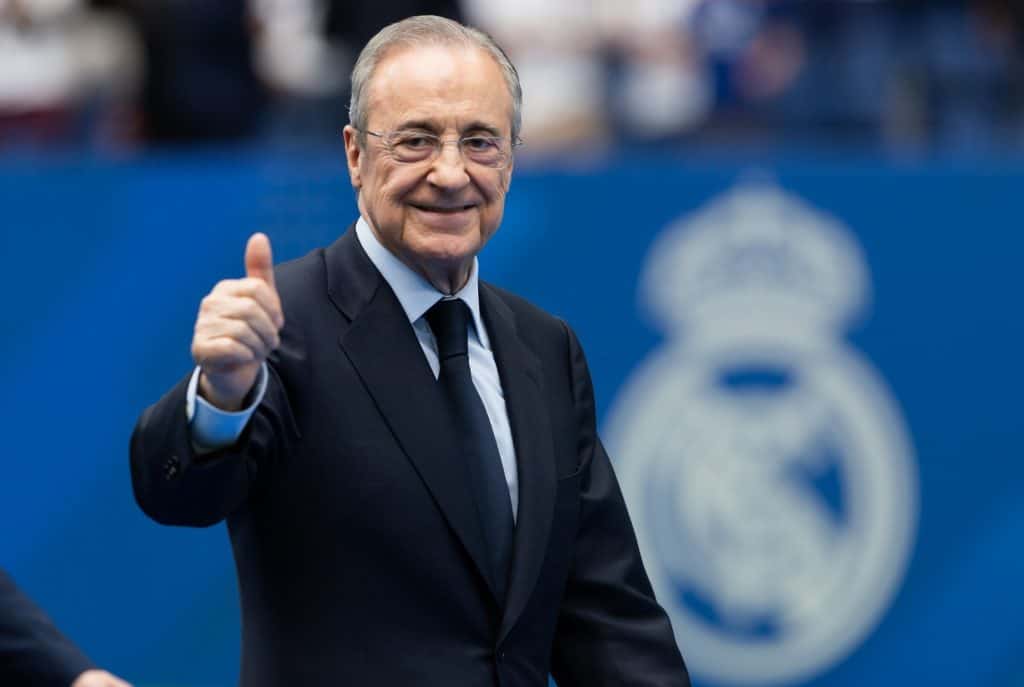
In LaLiga, Real Madrid led spending with €117.5 million, almost 60% of the league’s total investment, while Barcelona and Atlético took a more restrained approach, limited by budget rules. The league’s total net balance remains positive, around €10 million.
In Ligue 1, PSG ran a modest transfer market, maintaining a positive balance through sales, while Monaco and Marseille contributed to the league’s overall result, closing with an aggregate surplus of €252.9 million.
Favorites and Outsiders
Spending more doesn’t always guarantee victory. In England, City, Arsenal, and Liverpool are favorites, but they will need to turn millions into consistency and points on the field. In Italy, Napoli remains the team to beat; Juventus must confirm the value of their investments; Milan and Inter remain competitive but attentive to financial balance. Outsider? Atalanta, able to reinforce without compromising stability.
In Germany, Bayern is the favorite, while Dortmund and Leipzig rely on young talent. In Spain, Real Madrid maintains its “inertia leader” role, while Barcelona and Atlético struggle. In France, PSG dominates, but the most interesting figure is the positive sales balance, confirming Ligue 1 as a talent factory.
The first matchdays of the leagues have already provided some signals, but the real test will be long: the millions spent in this transfer window must translate into football, consistency, and concrete results. The Premier League dominates economically, Serie A seeks balance between ambition and financial order, Bundesliga remains a management model, LaLiga tries to close the gap, and Ligue 1 continues exporting future champions. In the end, as always, it will be the pitch that decides who spent wisely and who didn’t.
By Marta Elena Casanova