By Andrea Caropreso
Follow us on social media to stay updated with the latest transfer news: Instagram, Facebook, and X.
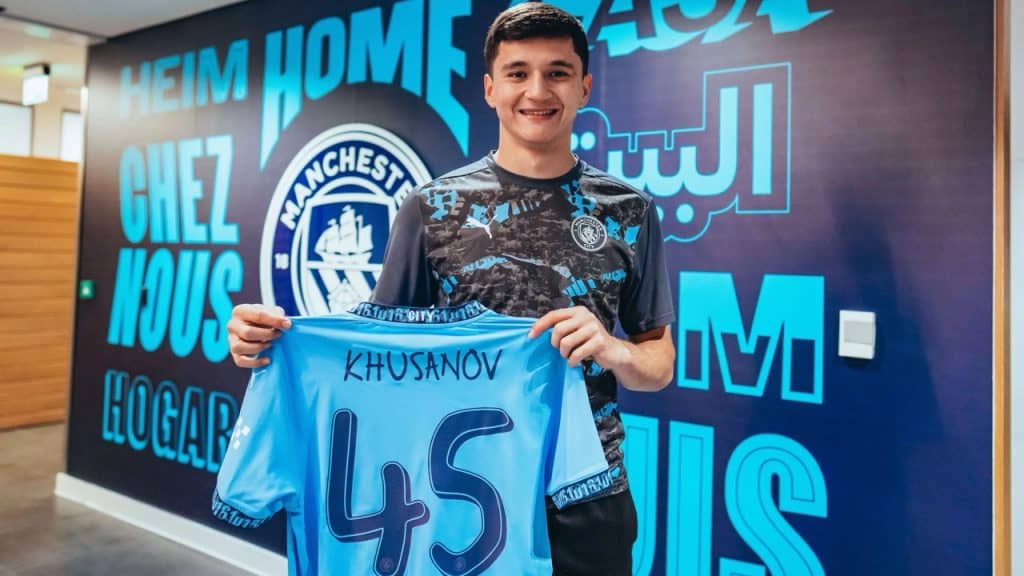
Manchester City has announced the extension of its partnership with Puma, in a deal worth over £1 billion covering the next ten years. This represents one of the most lucrative sponsorships ever signed in football, with an estimated value of around £100 million per year. The new contract marks a significant increase from the previous agreement, which began in 2019, and strengthens the English club’s status among the economic powerhouses of European football.
Global Impact for Manchester City
With this new deal, Manchester City consolidates its position as one of the most commercially powerful clubs in the world. The team is currently valued at over €4 billion according to Football Benchmark and ranks fifth in the list of the world’s most valuable football enterprises. The partnership with Puma aligns with the club’s goal of maintaining high global visibility.

When a brand decides to invest in a football club—especially one of this stature—it factors in the global marketing reach, merchandise development, and strong presence in key international markets, including Asia and the United States. In terms of appeal, Manchester City has seen a 37% growth in social media following over the past three years and, in the most recent season, sold over 1.2 million official shirts—a record in the club’s history. All signs point to accelerated global growth, where the role of the technical sponsor is crucial.
Financial Impact: Stability and Room for Future Investment
The new agreement with Puma provides a stable and recurring revenue stream, enabling the club to operate with a level of financial security closely tied to the ownership by City Football Group—one of the wealthiest in the world. As of May 2024, Forbes values the club at $5.1 billion, with annual revenues around $869 million and an operating income of $147 million.
The annual £100 million injection from Puma will further reinforce this growth trajectory, offering key resources to strengthen the squad, invest in youth development, and support the global expansion of the City Football Group, which now includes 13 clubs worldwide.
Lastly, in an era where compliance with UEFA Financial Fair Play is crucial, this revenue helps the club maintain a healthy balance between expenses and income. This is especially important as Manchester City is still awaiting a verdict regarding multiple alleged violations of the FA’s financial fair play rules. The club had previously been handed a two-year ban from European competitions by UEFA, which was later reduced to a €10 million fine by the Court of Arbitration for Sport (CAS).
By Andrea Caropreso