By Andrea Caropreso
Index
Follow us on social media to stay updated on the latest transfer market news: Instagram, Facebook, and X.
Bayern Munich’s model has stood out over the years for maintaining high competitiveness without creating financial holes that could jeopardize the club’s accounts. A rare exception, given the European landscape. This is because Germany’s most successful club has first invested in infrastructure (stadium, youth academy, training center, management, sponsors) and only later in the transfer market. In this way, the club’s backbone has always remained intact, and players have come and gone without altering competitiveness.
Solid Assets
Bayern Munich is one of the few clubs that earns more than it spends. And the symbol of this structure is the Allianz Arena, the Bavarians’ stadium. It is a club-owned venue that does not only host the team’s matches. It is a true economic hub that generates over €50 million a year (excluding sports revenues), thanks to restaurants, museums, official stores, and commercial spaces that are always active.
Another pillar of Bayern’s sustainability is corporate management. The professional team is controlled by FC Bayern München AG, of which 75% is owned by the club and the remaining 25% is divided among three giants: Adidas, Audi, and Allianz, each holding an 8.33% share. These companies are not just sponsors but actual shareholders: over the years, they have invested almost €300 million to enter the share capital, thereby strengthening the club’s economic stability and commercial synergy.
Crazy Spending? No, Thanks
Although Bayern Munich is close to finalizing the purchase of Luis Diaz from Liverpool for €70 million, it should be emphasized that the Bavarian club has never been a big spender. The secret of Bayern’s sustainable success has always been to invest in young talents (often German) and then bolster the squad with one or two major investments per transfer window.

There have been several examples of this strategy over the last 15 years: from Kimmich, who cost €8 million, to Goretzka on a free transfer, and even further back when the Bavarians secured Lewandowski without paying Borussia Dortmund a single euro.
Another key factor is their ability to dominate the domestic market. While it is true that Bayern has often been accused of plundering other German clubs, it is equally true that this model has allowed them to secure the best talents at relatively low costs. A policy that may generate resentment, but it works.
The Differences with Other Top Clubs
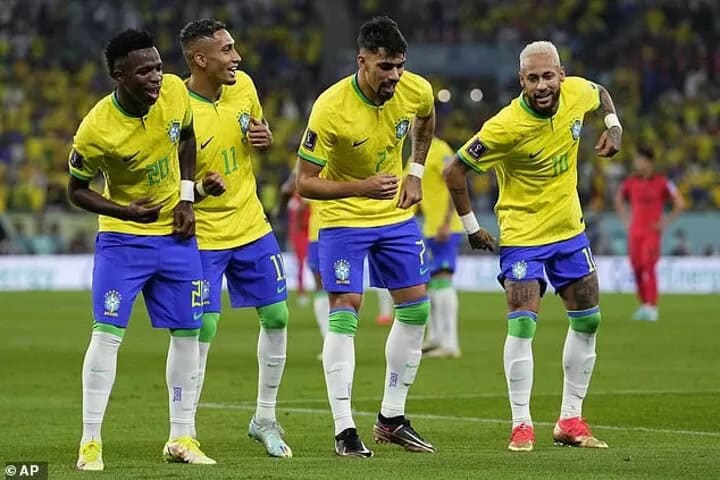
Unlike Bayern, many European top clubs have instead taken the opposite route, often with disastrous results. Barcelona, Manchester United, Juventus, or Chelsea in recent years have spent hundreds of millions in the market chasing big-name players, burdening themselves with debt and out-of-control wages. Barça, for example, squandered over €400 million on signings such as Coutinho, Dembélé, and Griezmann, without ever truly replacing Neymar.
Juventus chased image-driven signings like Cristiano Ronaldo, only to end up with a deep financial deficit, while Todd Boehly’s Chelsea spent over €1 billion in two years without considering trimming the squad. Bayern, on the other hand, has shown that it is possible to win without overbidding, avoiding being dragged into auctions that could compromise the future.
By Andrea Caropreso