By Andrea Caropreso
Index
Follow us on social media to stay updated on the latest transfer market news: Instagram, Facebook and X.
Joe Saputo’s Bologna has made huge strides in recent years. The Italian-Canadian entrepreneur from Montreal took over the club in 2014 and, within 10 years, brought Bologna back to the Champions League—a competition the Emilian side had been missing for 60 years. This achievement is the result of careful financial management, long-term planning, and vision. Thanks to these traits, Bologna has improved year after year, both on the pitch and financially.
The 2024 Financial Statements
The accounts approved about a year ago showed a limited loss of €10.4 million, an improvement compared to previous years. This progress came within a framework of growing revenues under Saputo’s ownership. Operating revenues (net of player sales) grew from €82.8 million to about €103.8 million, while transfer-related capital gains contributed an extraordinary €24 million. Ticketing revenues exceeded €8.6 million, and commercial revenues reached around €20.7 million, marking annual growth—numbers made possible by Bologna’s strong sporting performance.
2024 Accounts
-
Net operating revenues (without capital gains): €103.8m
-
Transfer capital gains: €24.0m
-
Ticketing revenues: €8.6m
-
Commercial revenues: €20.7m
-
Personnel costs (approx.): €71.0m
-
Net loss: −€10.4m

This result is part of a journey. The expertise of sporting director Sartori, combined with ownership’s vision, allowed Bologna to profit significantly from capital gains on transfers. In recent years, players such as Calafiori and Zirkzee were bought when few believed in their potential and were later developed into stars capable of attracting Europe’s elite clubs.
The 2025 Estimates
Bologna enters 2025 in better shape than in the recent past: reduced losses, higher operating revenues, and a squad that retains strong market value. After years of deficits, projections for the 2025 accounts suggest the possibility of a profit.
Net profit/loss history:
-
2019: −€21.7m
-
2022/23: −€16.3m
-
2023/24: −€10.4m
-
2024/25 (estimate): −€5m → +€5m (plausible range)
From a €20m loss in 2019, Bologna halved the deficit last year. Now, the final step appears within reach. Projections for the June 2025 accounts suggest either a small profit or a very limited loss. Revenues have nearly doubled compared to two years ago, also thanks to the club’s Champions League participation.
Revenues & capital gains:
-
2022/23: €65.2m operating revenues, ~€15.2m capital gains
-
2023/24: €103.8m operating revenues, ~€24m capital gains
-
2024/25 (estimate): €110–130m operating revenues, ~€20–40m capital gains
Looking forward, two factors will be key to Bologna’s growth:
-
Capital gains generation – targeted sales of young, developed talents (like Beukema and Ndoye, who brought in €75m) ensure a healthy balance between revenues and costs.
-
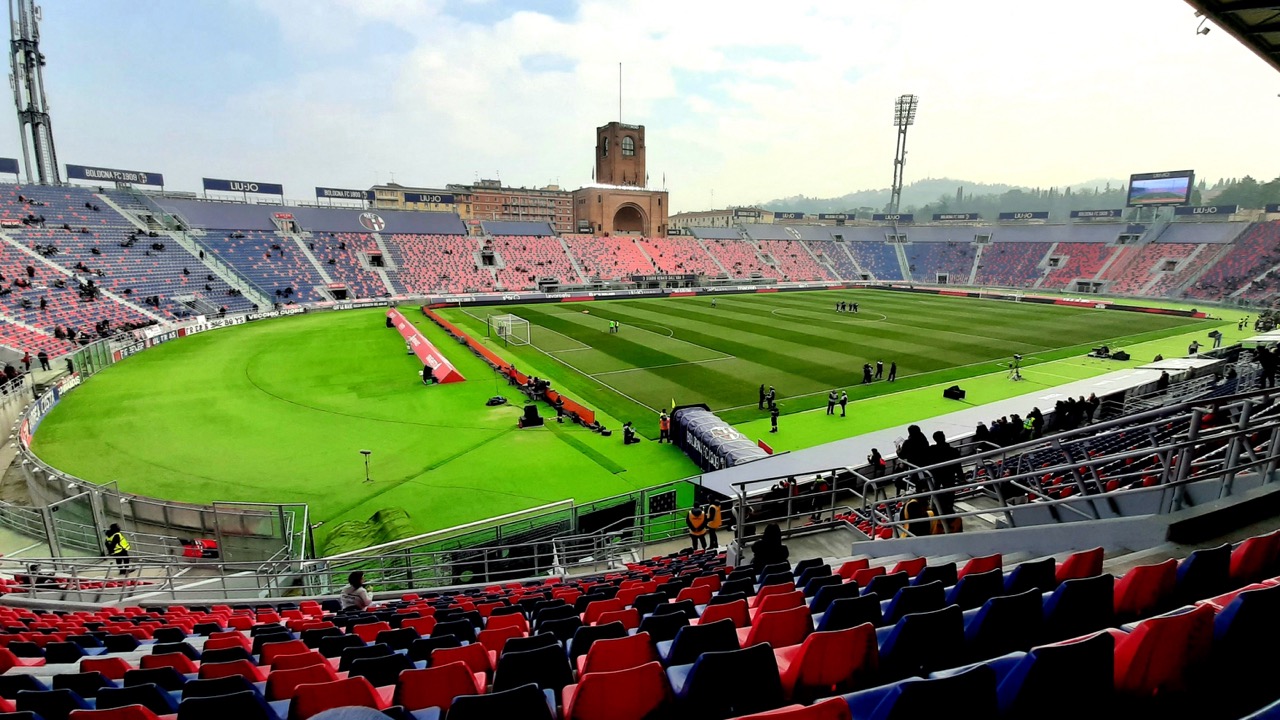
Commercial and matchday revenues – the Dall’Ara is full again, guaranteeing strong attendance figures that translate into hundreds of thousands of euros per match, with a multiplier effect on sponsorships and merchandising.
Joe Saputo’s Investments
A special mention goes to Joe Saputo. The current Bologna owner has skillfully adapted to the Italian business context, managing a difficult situation. When he took over, Bologna was a mid-table team with repeated financial losses. Early on, he had to inject €70m in capital to cover deficits.

Between 2014 and 2018, after parting ways with partner Joe Tacopina, Saputo contributed €119m in capital. Additional smaller injections followed to keep the club within financial parameters. In total, Saputo has invested about €300m in Bologna. A significant figure, but one that demonstrates his determination to restore a club that had only truly thrived in the 1960s—an era so distant it had faded even from fans’ memories.