By Andrea Caropreso
Index
Follow us on social media to stay updated with the latest transfer market news: Instagram, Facebook e X.
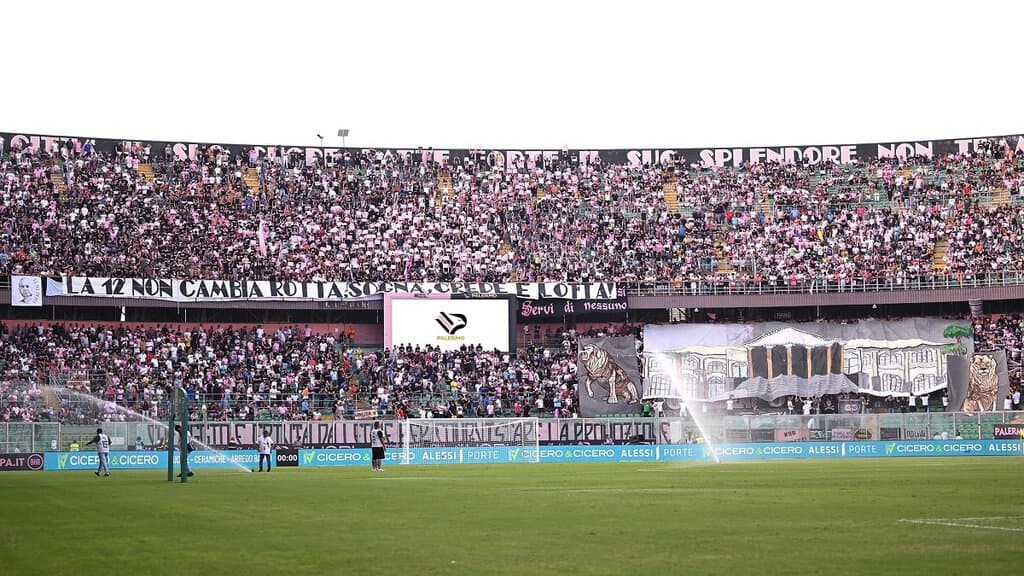
We have come to know them thanks to the successes brought to Manchester City, but in reality, City Group is a comprehensive empire. There are as many as 13 clubs in which they hold majority shares, some of which are quite unknown, such as Club Bolívar in Bolivia. The reason for investing in such lesser-known football markets falls within a broader global sphere of influence that City Group wants to establish worldwide—a way to plant their presence everywhere.
The origins of the capital
Founded in 2013 as a holding company to implement a multi-club strategy, City Group revolutionized the concept of football ownership, transforming it from a passionate investment into a global business model. However, its origins date back much further.
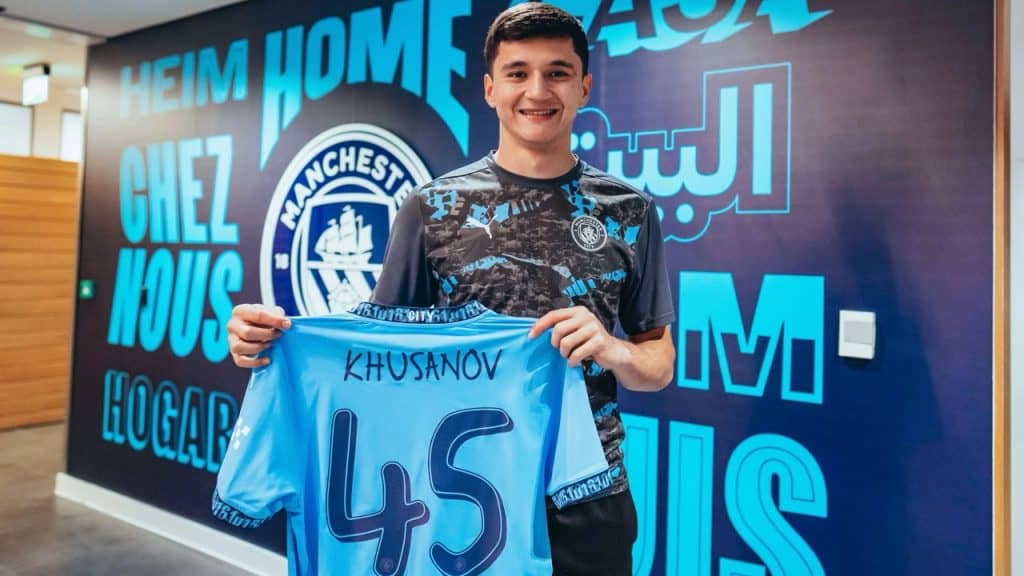
In 2008, Sheikh Mansour bin Zayed Al Nahyan, through Abu Dhabi United Group, acquired Manchester City, marking the start of an unprecedented sporting and economic transformation. The second team of Manchester soon became the first, able to afford the biggest top players on the market and starting to win more than the famous United cousins.
The deal, valued at around £210 million at the time, was not limited to acquiring the English club but inaugurated a new phase of modern football, where the availability of capital tied to a sovereign state reshaped competitive balance. Thus, in 2013, the newborn City Group tried to replicate the Manchester City model on a global scale.
The creation of the holding group
In May 2013, City Football Group was formally established, a British holding company created to manage a global network of clubs and football-related services. A way to pursue the global model that today makes City Group a 360-degree empire.
The financial history of City Group was marked by two turning points. The first was in 2015, when a consortium led by China Media Capital and CITIC Capital (Chinese companies specialized in development capital) invested about $400 million to acquire just over 13% of the group’s shares. The deal implied a total valuation of around $3 billion and, besides providing new liquidity, opened the doors to the Chinese market.

The second key step took place in 2019, with the entry of Silver Lake, one of the leading private equity funds specializing in technology and media. The investment was $500 million for an initial stake just over 10%, which raised CFG’s post-money valuation to $4.8 billion.
In subsequent years, Silver Lake did not just maintain its position but increased its share to about 18% through further transactions, also acquiring part of the shares previously held by China Media Capital. A move that further strengthened the group’s international and technological profile, projecting it toward a management increasingly oriented toward global markets and digital platforms.
Today, City Group’s ownership structure is as follows:
-
Newton Investment & Development (linked to Sheikh Mansour / Abu Dhabi United Group): about 80–81%
-
Silver Lake: about 18%
-
China Media Capital / CITIC: about 1%
The role of Silver Lake
The arrival of a partner like Silver Lake marked a significant turning point. This company is actually highly developed in tech investments—something that may seem unrelated to football. However, City Group’s forward-looking strategy revolves precisely around this point. Thanks to Silver Lake, it was possible to accelerate the process of making football a global product to increase revenues for the holding and consequently for the clubs owned.

Hence the desire to acquire smaller clubs such as the aforementioned Bolívar or Mumbai City. This way, the group could first plant its flag on every continent and secondly afford to buy players at lower costs compared to European markets. Players who could later become useful as exchange pieces in transfer market strategies. It is no secret that multi-ownership groups can loan players within their galaxy—a move used to adjust financial dynamics that FIFA intends to limit.
Controversies and accusations of violating Financial Fair Play rules
Regulatory challenges and the complexity of international governance represent some of the most delicate aspects for City Football Group. The first issue concerns relations with UEFA. The top European football organization does not allow two clubs with the same ownership to face each other in European competitions. This rule would have prevented either Girona or Manchester City from participating in last season’s Champions League. In that case, a legal tool called a blind trust was used, where an owner temporarily transfers management and control of an asset or stake to an independent third party with no say.
Domestically, the Premier League launched in 2023 proceedings against Manchester City for over a hundred alleged financial violations, some related to sponsorship revenue reporting and dealings with related parties. The outcome, which could lead to financial or sporting sanctions, will inevitably affect City Group’s perception and value. In the past, the Citizens were sanctioned by UEFA with a two-year exclusion from European competitions, later reduced to a fine by the Court of Arbitration for Sport. It is therefore no surprise that, in a football world increasingly tied to financial aspects, City Group is racing to conquer capital. Business, business, business.
By Andrea Caropreso