By Andrea Caropreso
Index
Follow us on social media to stay updated on the latest transfer news: Instagram, Facebook e X.
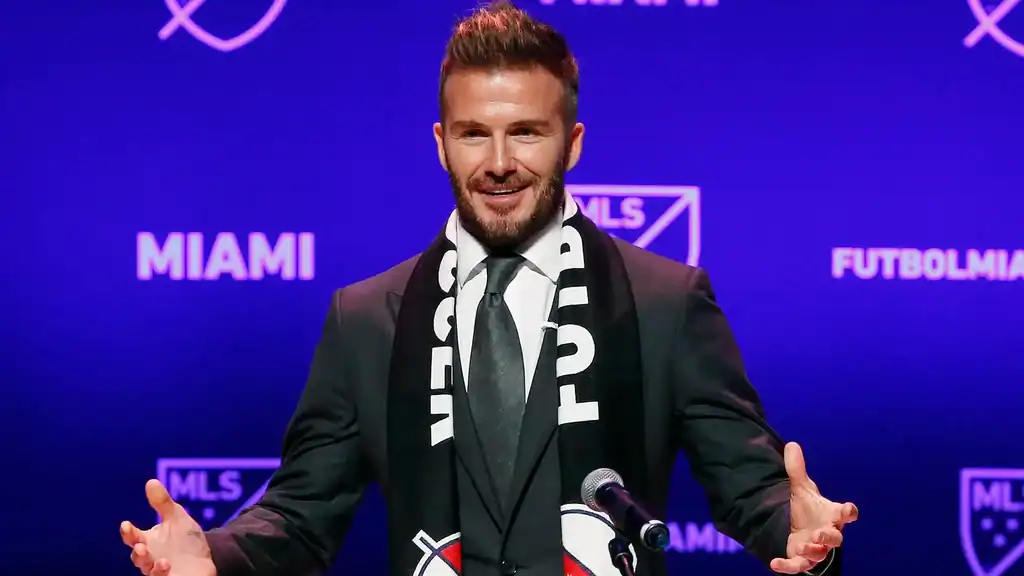
When David Beckham announced in 2014 that he was buying an MLS franchise in Miami, many thought it was more of a publicity stunt than a real sporting project. Today, however, Inter Miami CF, a club founded only in 2018, has become the symbol of soccer’s growth in the United States, thanks to a business model that combines a global brand, smart management, and media superstars.
The story of a winning marketing model
The name David Beckham was always a guarantee. After all, the former Manchester United star was one of the greatest footballers of all time and was also among the first to leverage his image to build a post-sporting career. A model we now associate with the brand and image of CR7—Cristiano Ronaldo. But how did Beckham manage to acquire an MLS franchise and turn it into one of the top clubs in American soccer so quickly?
From the very beginning, Beckham built Inter Miami as an international brand. It wasn’t simply an investment to reinvest part of his career earnings, but rather the firm intent to create a club that could be tied to a global brand—similar to how NBA franchises operate in the U.S.
This strategy brought immediate results:
-
$50 million in annual commercial revenue solely through sponsors like Adidas, Royal Caribbean, and Heineken.
-
Merchandising sales up over 700% after the announcement of Lionel Messi’s arrival.
-
A 900% growth in the club’s social media fanbase, making Inter Miami the most-followed MLS franchise in the world.
The arrival of Lionel Messi
No matter how successful your business vision is, in football you can’t go far without superstars. And that’s exactly where Beckham struck gold. Lionel Messi’s arrival in MLS brought the world’s attention firmly onto American soccer and, specifically, Inter Miami. This move allowed the club to secure a place in the new Club World Cup held in the U.S. this past summer.

Beckham and the ownership structured a unique package to lure the multiple Ballon d’Or winner: a salary of $50-55 million gross per season, a share of Apple TV subscriptions tied to the MLS, revenue-sharing deals with Adidas, and the future possibility of acquiring a stake in the club.
The impact was explosive:
-
Season tickets sold out in less than a week, with an average price increase of 60%.
-
Inter Miami Single-game ticket prices tripled (to $170-200 per match).
-
The MLS-Apple TV partnership saw subscription numbers surge, with growth of over 300% in key markets.
But that’s not all. Beckham also reassembled overseas part of Barcelona’s legendary 2010s core: Jordi Alba, Busquets, and Suárez. They may be players at the end of their careers, but for short-term commercial results, they’ve been crucial.
The future of Inter Miami
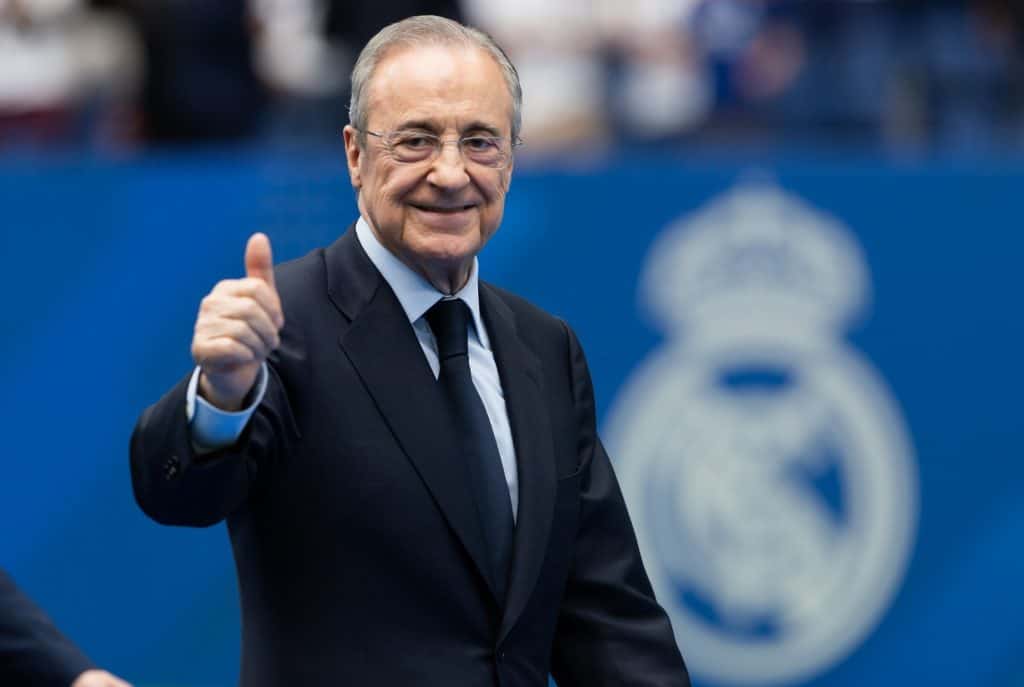
Beckham’s business plan doesn’t end here, as the former English star himself explained: “I take inspiration from Florentino (Pérez), who has this crazy vision of always bringing the best players to the club and building an incredible stadium.”
Speaking of infrastructure, Beckham’s vision is centered on building a new home for Inter Miami.
This is Miami Freedom Park, the new facility expected to be ready for the 2026 MLS season. Beckham and his partners have invested nearly $1 billion in the construction, which could generate over $60 million in annual revenue (excluding matchday income). The stadium will feature hotels, commercial and recreational areas, perfectly in line with the American way of thinking. In the land of the American Dream, Beckham is building his own dream—potentially rewriting the history of MLS.