By Andrea Caropreso
Index
Follow us on social media to stay updated on the latest transfer market news: Instagram, Facebook e X.
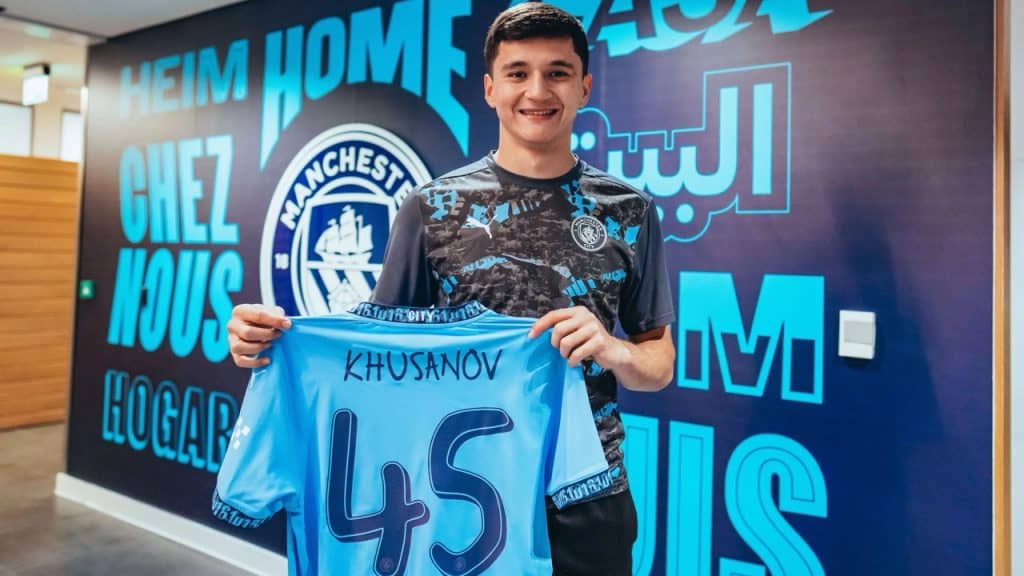
In 2025, the football transfer market reached unprecedented figures. In January alone, over €2.3 billion was spent, while in the early part of this summer session, the €500 million mark has already been surpassed. The most active club has been Manchester City, despite the pending accusations of breaching Financial Fair Play regulations in England. Yet, the financial reports of European clubs show losses exceeding €1.2 billion, prompting the question: is football growing or heading toward financial suicide?
Speculative Bubbles
In economics, a speculative bubble refers to a situation in which the price of an asset grows exponentially and disproportionately compared to its real value. The consequence is that when the bubble bursts, massive losses follow. This is the risk now facing the global football system.
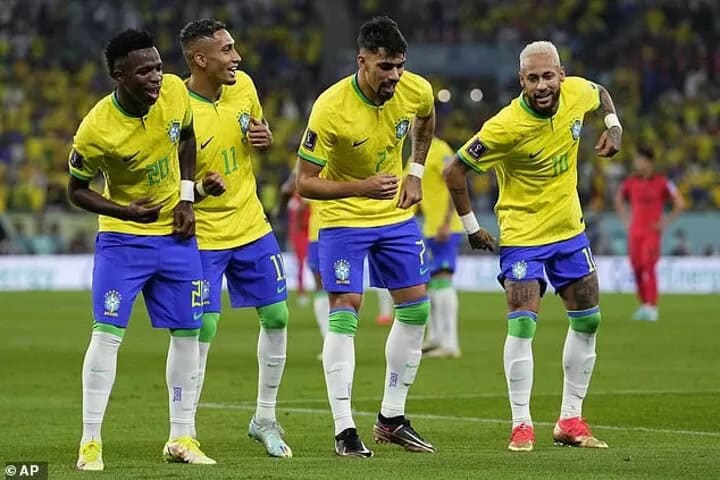
In 2017, Neymar Junior was purchased by Paris Saint Germain for a record fee of €222 million paid to Barcelona. This unprecedented fee had a ripple effect, inflating spending across other clubs, especially Barcelona. The Catalans spent €160 million for Philippe Coutinho and €105 million for Ousmane Dembélé—neither of whom had the value they command today following Dembélé’s exceptional last season at PSG. Meanwhile, Liverpool used the proceeds to acquire Van Dijk for €84 million (a record at the time) and Alisson for €64 million (also a record).
As seen in Barcelona’s case, the bubble eventually burst. These expensive signings turned out to be flops: Coutinho was sold two years later to Aston Villa for just €20 million. Dembélé met a similar fate, sold to PSG for €50 million in 2023—half of his purchase value—leaving a financial hole under then-president Bartomeu, which contributed to Barcelona’s current financial crisis.
These numbers weren’t isolated. Global football has seen increasingly reckless spending. European clubs have racked up operational losses of €300 million in the last two years (compared to €900 million during the COVID era). Premier League clubs alone lost over €700 million, with wage costs surpassing €4 billion. In short, clubs increase spending year after year, but revenues fail to keep pace—particularly with salaries—leading to growing debt. This imbalance fuels the bubble, which is bound to burst without strict countermeasures.
Market Distortion Mechanisms
These bubbles are not caused solely by transfer fees or salaries. A major issue in modern football is the role of agents, who demand commissions for facilitating transfers. This money leaves the football system and goes directly into agents’ pockets.
According to a FIFA report, clubs spend around €650 million annually on agent commissions. A staggering amount that continues to grow, especially among top clubs willing to pay high extras to secure their targets.
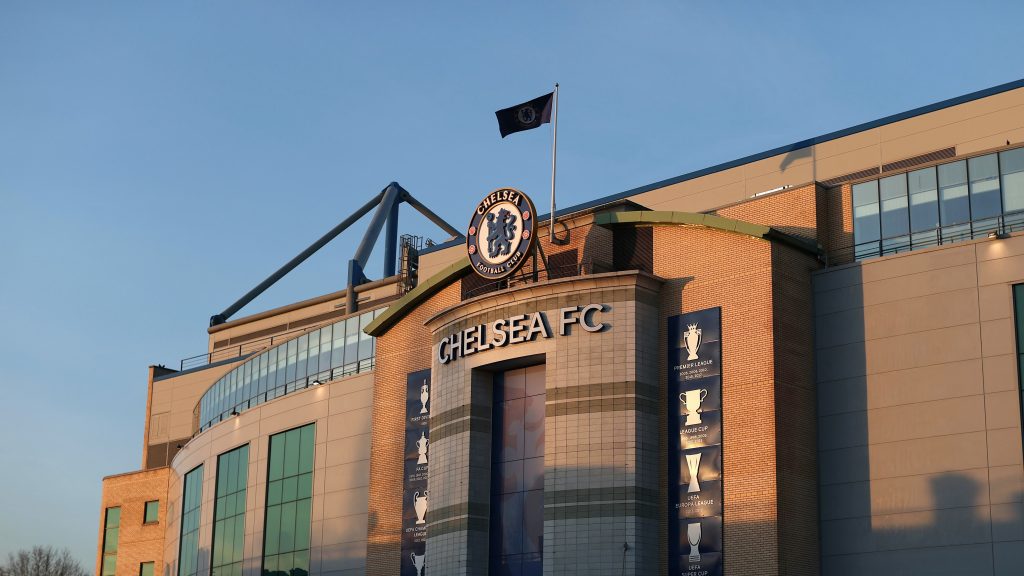
Among the main contributors to this system are English clubs. A striking example is Chelsea, which according to FA data, paid over $93 million in 2023 in agent and intermediary fees. This facilitated 13 new signings, including Cole Palmer from Manchester City, Christopher Nkunku from RB Leipzig, and Moises Caicedo from Brighton. Manchester City was not far behind, spending around $80 million on deals for Mateo Kovacic from Chelsea, Jeremy Doku from Rennes, and Josko Gvardiol from RB Leipzig.
Another concern is the use of inflated capital gains—overstating the value of player exchanges to balance the books. Juventus was a recent example, but many clubs use this strategy to comply with UEFA and domestic league rules.
What Countermeasures Can Save Football?
Putting a stop to this is no easy task in modern football. The English FA is trying to do so with stricter regulations, Serie A with its liquidity index, and UEFA introduced in 2023 the new squad cost control system—capping player and wage spending at 70% of club revenues.
The idea of a salary cap has been suggested often, but would likely violate European laws (something similar was implemented by China’s government to curb inflated wages a few years ago). So is football still a sport? Theoretically yes, but in practice, it is quickly becoming an industry where only the wealthiest clubs (too big to fail) can remain competitive—fueling a toxic system that may soon demand a reckoning.