By Marta Elena Casanova
Follow us on social networks to stay updated on the latest transfer market news: Instagram, Facebook e X.
Index
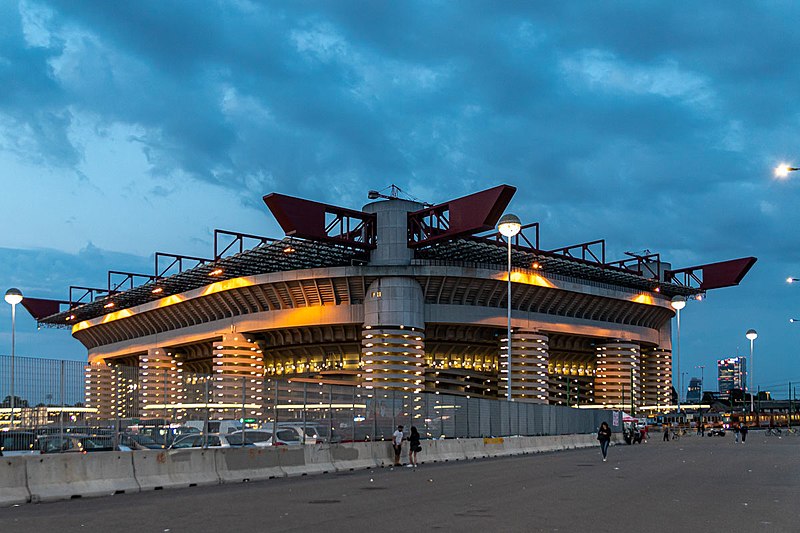
After years of delays, debates, abandoned projects and political controversies, the future of San Siro has finally taken a clear direction. In the last hours, the Milan City Council gave the green light to the sale of the stadium and surrounding areas to AC Milan and Inter. It is a historic turning point, set to change the face of Milanese and Italian football: the Meazza will become the property of both clubs, who can finally build their new home.
A vote down to the wire
The council session was extremely long, almost twelve hours of heated debate, full of political divisions. In the end, the resolution passed with 24 votes in favour and 20 against. A very narrow majority, made possible when some Forza Italia councillors left the chamber, lowering the required quorum. It was a race against time, because by 10 November a heritage restriction on the second tier would have taken effect, making demolition impossible.
How much is San Siro worth
The sale price has been set at €197 million. That’s the amount Milan and Inter will pay to acquire not just the stadium but also the adjacent areas, essential for the project’s development. This is not only a real estate operation but a strategic choice, allowing the clubs to increase revenues, control costs and finally own a venue in line with European standards.
The new stadium is planned as a 71,500-seat arena, designed by international firms Foster + Partners and Manica, with commercial areas, hospitality, leisure facilities and modern infrastructure. The target is to open it by 2031, transforming Milan into a competitive sporting and commercial hub at international level.
The fate of the old Meazza
The plan includes the demolition of the current San Siro, with the possibility of preserving part of the second tier for heritage reasons. Until the new stadium is ready, however, the arena will continue to host Milan and Inter’s home matches. It will therefore be a gradual transition: fans will not immediately lose their temple, but will prepare to say their final farewell in the coming years.
Controversies and reactions
The decision was not unanimously welcomed. Inside the council, critics spoke of an “unclear text” and risks for future management. Some parties announced possible legal appeals, but the majority — though narrow — secured the operation.
The clubs, on the other hand, celebrated. Inter and Milan called the day “historic”, stressing that the move was necessary not to fall behind Europe’s big clubs. Stadiums have long been a weak point in Italian football: outdated arenas, municipal ownership, endless bureaucracy. With this decision, Milan positions itself as a rare positive exception.
What happens next
In the coming months, the sale contract will be formalised, with a deadline set for November. Then will come the phase of building permits and the final project definition. Once the area is cleared, demolition of the old ground will begin, followed by the construction of the new arena.
For fans, it will be a path of waiting and nostalgia: continuing to fill San Siro while knowing that in a few years the “Temple of Football” will give way to a futuristic structure. But it will also be the start of a new era, with a stadium capable of generating revenues on par with Europe’s top rivals and restoring international competitiveness to Inter and Milan.
The new San Siro is no longer just an idea, but an approved project. Milan and Inter will become owners, demolish the current stadium and build a new 71,500-seat arena by 2031. A turning point that ends decades of uncertainty and opens the way to a modern, European Milan, finally in line with the ambitions of its clubs.
The Meazza will remain standing for a few more years, holding memories and glory. But the horizon is already clear: the future of football in Milan passes through a new, sustainable and competitive stadium.
By Marta Elena Casanova