Curated by Federico Calabrese
Follow us on social media to stay up to date with the latest transfer news: Instagram, Facebook, and X.
Index
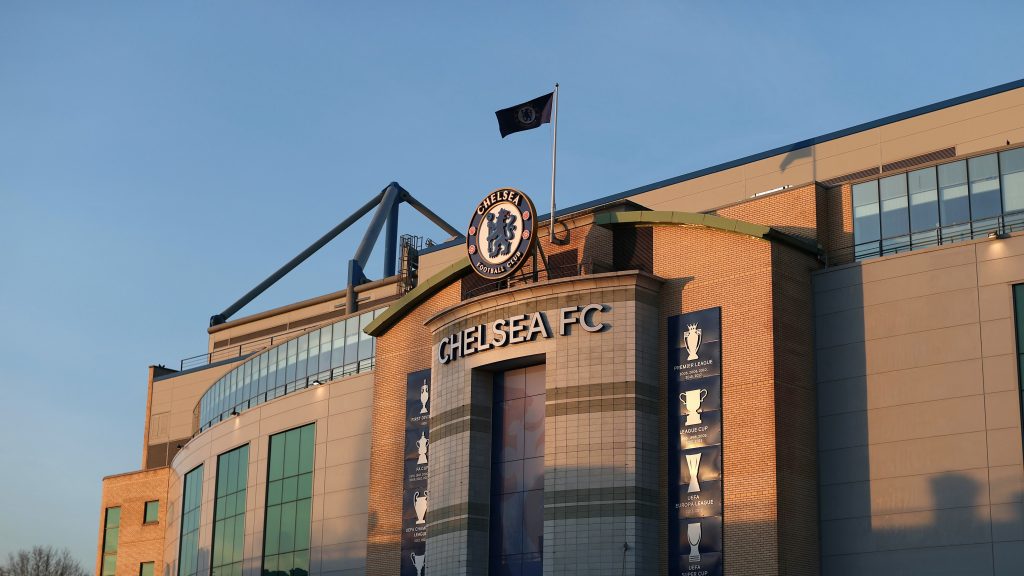
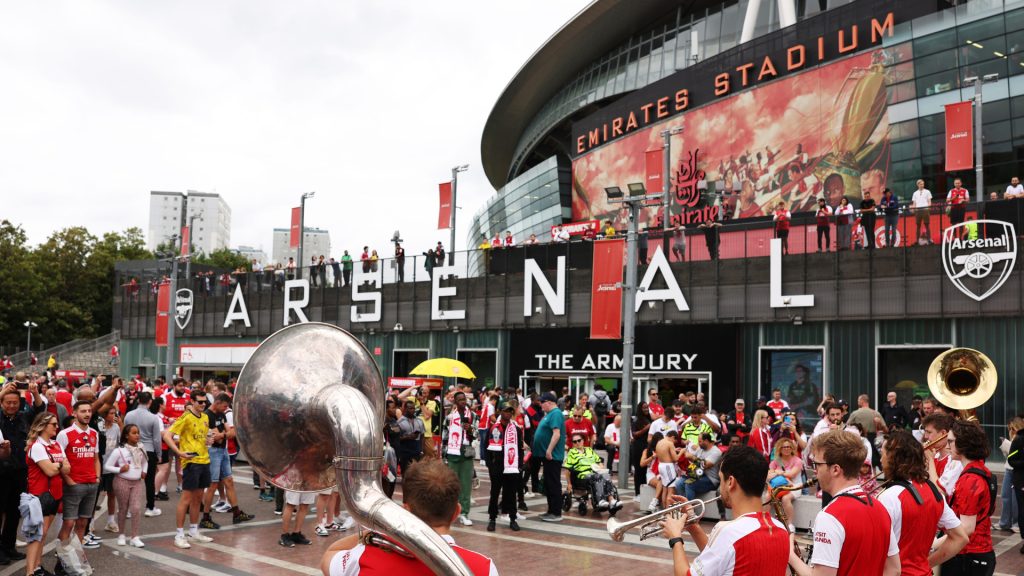
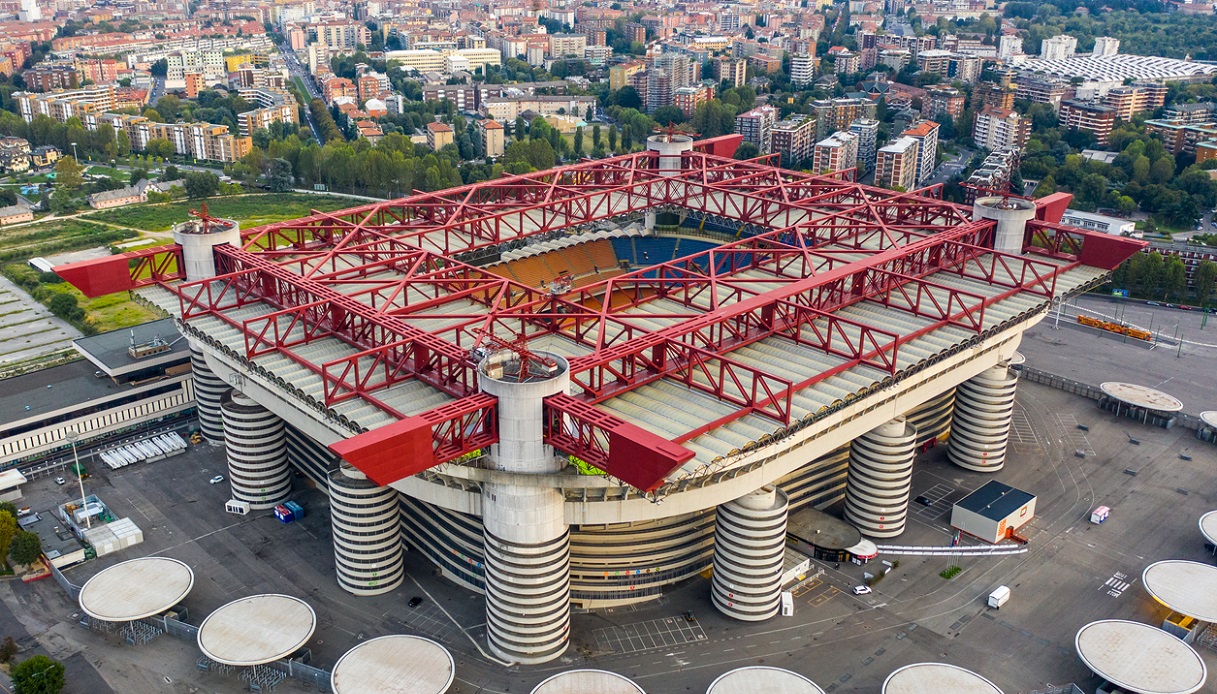
Modern sports have reshaped the traditional perception of sports facilities, which are no longer just venues for athletic events but much more: a springboard for boosting a multifaceted business. Stadiums and sports facilities have evolved into true multifunctional hubs, with a significant impact on both local and national economies, generating enormous profits for football clubs and the cities that host them. The debate around the construction and renovation of stadiums touches on highly sensitive topics such as public funding, urban regeneration, environmental sustainability, and long-term economic returns. But are these large investments always justifiable?
The funding dilemma: public, private, or hybrid sports facilities?
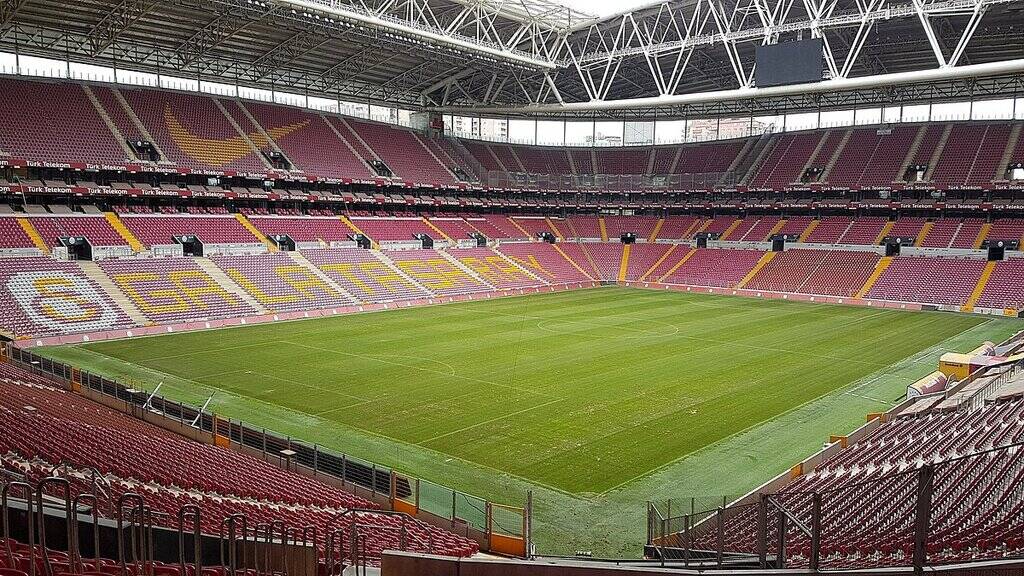
One of the most debated aspects is the financing model for new sports facilities. In many countries, especially in the U.S., cities invest substantial public funds in constructing new venues, often through municipal bonds or tax incentives. The idea is that the stadium will generate wealth in terms of tourism, jobs, and attraction of international events.
However, economic literature is divided. Academic studies have shown that the direct economic benefits are sometimes overstated, while the costs for taxpayers can be very high. For this reason, in recent years, efforts have been made to shift the financial burden to the private sector, using mixed models such as partnerships, naming rights sold to large corporations (like Allianz, Emirates, or Toyota), and self-financing through projected future revenues.

Sports facilities as urban catalysts
Another crucial dimension is urban planning. The construction of a modern stadium can lead to the revitalization of entire run-down neighborhoods, creating new infrastructure, green spaces, commercial and residential areas. However, caution is needed, as this process can also trigger gentrification, with rising housing prices and the displacement of more vulnerable population groups.
A notable example is the Tottenham Hotspur Stadium in London, developed through an effective private initiative and integrated into an urban development plan.

Beyond football: the entertainment business inside stadiums
The modern stadium model goes beyond its purely sporting function. Next-generation facilities are designed to be used year-round, not just during sports events, hosting concerts, trade fairs, corporate events, and commercial activities. As such, the stadium becomes a stable revenue source, no longer limited to just a few matches per season. The SoFi Stadium in Los Angeles, one of the world’s most impressive, is a $5 billion entertainment complex capable of hosting events like the Super Bowl or the Olympics.

Challenges and future outlook for sports facilities
Despite the promises and many plans, not all projects achieve the desired results. Many stadiums remain underutilized for most of the year, with infrequent events that don’t justify the initial investment. Often, construction costs balloon during development—sometimes doubling initial estimates—and returns on investment can take decades. Another major drawback is the frequent environmental and social opposition these projects face, especially when linked to unchecked urban sprawl, land consumption, or the marginalization of local communities, who experience rising living costs without tangible improvements in services or stable employment.
Looking ahead, the challenge is to design sports facilities that are sustainable in every sense: environmentally, economically, socially, and functionally. The stadiums of the future will need to have low ecological impact, be integrated with public transport systems, be energy self-sufficient, and adaptable to multiple uses. The core idea is to transform these venues into true community centers, urban spaces that are active even on non-match days: libraries, coworking spaces, green areas, indoor markets, gyms, and cultural hubs can coexist with the sports dimension and enhance the inclusiveness of the facility.
A key example in this direction is the Amsterdam Arena (now Johan Cruijff Arena), one of the first stadiums to integrate solar energy collection, battery storage, and rainwater recycling. In Barcelona, the renovation of Camp Nou includes plans for a fully open structure accessible to the neighborhood, with green areas and free access 7 days a week. These solutions mark a shift from the “closed” stadiums of the past, which were only accessible to fans on game days.
Another driver of change is the rise of digitalization and artificial intelligence. Sports venues are becoming “smart,” with integrated management systems for safety, maintenance, and visitor data analysis. This opens new opportunities for sports marketing, personalized fan experiences, and optimized crowd management.
The economy of sports facilities represents one of the most complex and stimulating frontiers in the sports business. It’s a space where public and private interests intersect with collective identity, market logic, sustainability, and entertainment. Building (or renovating) a stadium today is no longer just an architectural project: it’s a strategic decision that can redefine a city’s identity, influence its economy, and leave a lasting mark on the social fabric. But to do it right, it takes vision, responsibility, and genuine involvement of the communities affected.