By Marta Elena Casanova
Follow us on social networks to stay updated on the latest transfer market news: Instagram, Facebook e X.ù
Index
Between professionalism and unmet promises, the game’s development is still far from a real breakthrough
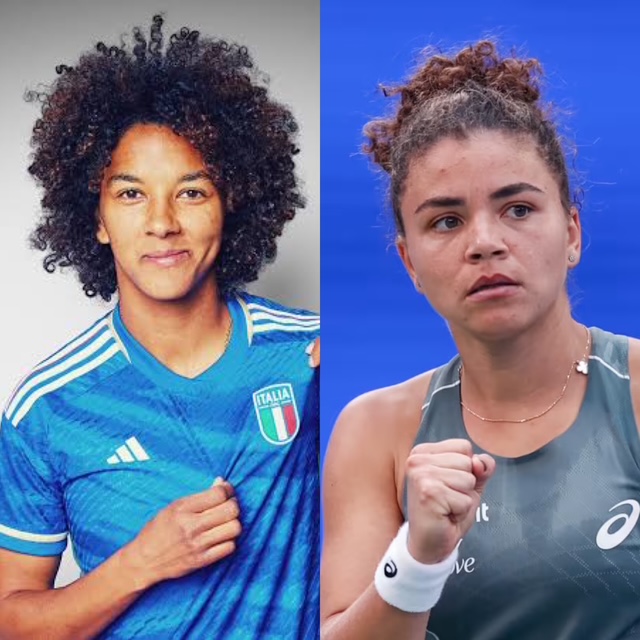
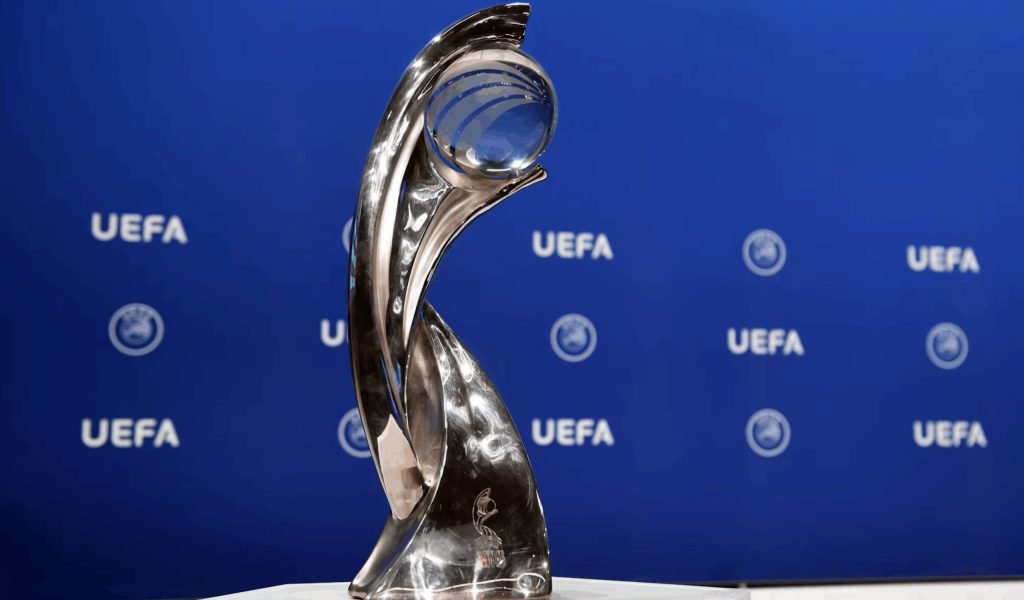
The 2025 UEFA Women’s Euro has brought Italian women’s football back into the spotlight. Under coach Andrea Soncin, the national team reached a historic semifinal, showing spirit, quality, and cohesion before falling to a more experienced and solid England. Yet behind the enthusiasm for this achievement, many structural weaknesses remain. The movement, despite gaining visibility and status, is still fragile in its foundations, numbers, and long-term strategy.
In recent years, Italy has made notable progress: the introduction of professional status in Serie A in 2022 was a historic milestone. However, a label alone does not make a system competitive. The impression is that the movement continues to rely on individual efforts and the determination of the players, rather than on solid and coordinated planning.
Professionalism Without a System
Professional status has ensured regular salaries, contracts, and protections for Serie A players. But organizational development has not followed evenly. Many clubs remain dependent on their men’s divisions, with limited budgets, shared facilities, and little managerial autonomy. In the lower leagues, professionalization is still absent, which hinders the development of a solid youth pipeline.
Without a complete and integrated system—from grassroots to elite—the national team risks relying on a small core group with limited generational turnover. Reaching the Euro semifinal should not obscure the fact that the number of registered female players in Italy remains low compared to other European countries.
A Movement Without Direction
The main concern is the lack of a clear direction. This was also pointed out by Carolina Morace in a recent interview with Corriere della Sera, where she described a sector that “moves blindly” and suffers from a lack of “ideas, strategies, and action.” While some progress has been made, Italy still lags behind successful models like England, France, or the Netherlands, where women’s football has grown thanks to strategic investment and long-term planning.
In Italy, the system often relies on individual talent and passion rather than on public policy, sports incentives, or institutional support at the local and school level.
Coaching, Training, and Football Culture
Another major issue is the training and development of coaches. Too often, coaches and managers enter women’s football without specific preparation or as a fallback option. While figures like coach Soncin have brought a positive boost, a deep-rooted and conscious culture of women’s football is still lacking.
The sport needs dedicated training programs, recognition of qualified female coaches, and a technical vision tailored to the women’s game. Importing male models is not enough—an autonomous identity must be developed.
Visibility and Sponsorship: A Weak Triangle
While the Euro reignited interest, the visibility of Italian women’s football outside of major tournaments remains low. Serie A matches are broadcast inconsistently, with minimal promotion and little mainstream media attention. This limits the sport’s ability to attract sponsors and investors, creating a vicious cycle: no audience means no resources, and without resources, growth stalls.
In other countries, the involvement of private partners and integrated projects has filled stadiums and raised the commercial value of the game. In Italy, the perception is still of a “lesser” football, despite improving quality on the field.
Cultural Change Must Come First
The Euro 2025 result is important, but it must not be used as a shield. It’s time to honestly confront what is still missing. Italy needs a national development plan, with investment in infrastructure and training, policies to ensure access to sport, and more effective communication.
Only then can the movement turn the national team’s success into long-term change—because the players’ pride alone is not enough to make up for a lack of vision.
By Marta Elena Casanova