By Marta Elena Casanova
Follow us on social networks to stay updated on the latest transfer market news: Instagram, Facebook e X.
Index
World Cups and Euros as key revenue sources for national federations
In recent years, women’s football has experienced unprecedented economic growth, driven by steadily rising global interest and increasingly significant investments. In 2025, two years after Spain’s historic victory at the 2023 Women’s World Cup in Australia and New Zealand, and following the conclusion of the Women’s Euro in Switzerland — won by England on penalties against the Iberians — it is now possible to draw a detailed picture of how much women’s national football teams earn in major international tournaments.
Prize Money in Major Women’s Tournaments
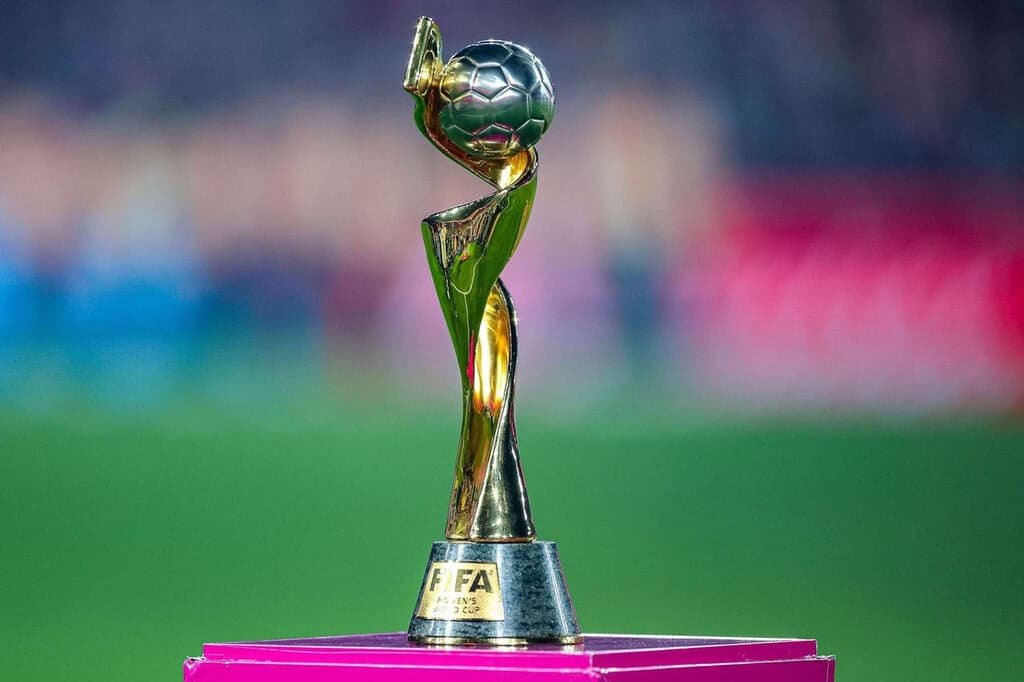
The main sources of income for national teams come from official prize money distributed by FIFA and UEFA. The 2023 Women’s World Cup marked a turning point: for the first time, FIFA allocated a prize pool exceeding $60 million—nearly double the $30 million awarded in 2019, when the United States won the title. Spain, the 2023 champions, earned around $10 million in total, including team bonuses and payments distributed to players.
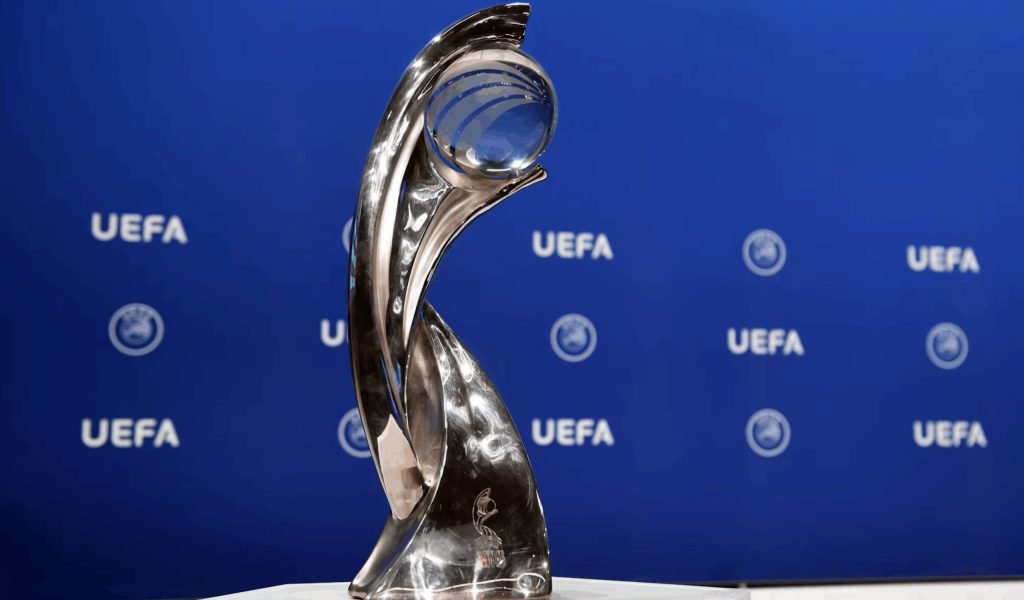
As for the 2025 Women’s Euro, recently concluded in Switzerland, UEFA confirmed a total prize pool of around €16 million. The winning team could receive up to €2 million, plus bonuses for group-stage wins, progression to knockout rounds, and final tournament performance. While these amounts are lower than those of the World Cup, they still represent meaningful financial support for national federations.
Broadcast Rights: The Real Revenue Engine
Beyond official prize money, the most significant source of income for women’s national teams is broadcast rights. The 2023 World Cup reached over one billion viewers globally, proving the growing appeal of women’s football on a global scale. This generated substantial revenue for FIFA and allowed for a broader redistribution of funds to the participating federations.
The same is true for Euro 2025, which attracted major interest from broadcasters and streaming platforms across Europe. In markets such as Germany, the UK, Spain, and Italy, TV rights were sold at record prices, fueling a new wave of investment in the women’s divisions of national federations.

Sponsorship and Marketing: A Growing Sector
The women’s football boom has also drawn in major sponsors, commercial partners, and global brands. Leading national teams, including Italy, have signed multimillion-euro deals with global companies. Sponsors like Nike, Adidas, Visa, Coca-Cola, and Barclays are now firmly established in the landscape of women’s competitions.
This has led to increased revenues from merchandising, licensing, and promotional campaigns, with a positive economic impact also seen at the local level. National team kits are selling more than ever, matches are attracting regional sponsors, and public engagement continues to grow steadily.
How Much Can a Top Women’s National Football Team Earn?
Overall, a top-performing women’s national team in major tournaments can generate between €15 million and €20 million over a two-year cycle, combining official prizes, TV rights, sponsorships, and merchandise sales. For more structured teams like Spain or England, this figure can be even higher—especially when indirect revenues from ticket sales, global visibility, and future investments are included.
Conclusion: Women’s Football Is Also an Economic Asset
The year 2025 marks a shift: women’s national football teams are no longer just sporting symbols—they’re tangible economic assets for their federations. The 2023 World Cup represented a turning point in terms of prize money and viewership, while Euro 2025 confirmed that the interest in women’s football is stable and growing.
The earnings of women’s national teams in major international tournaments reflect a broader transformation: from an emerging movement to a mature ecosystem—capable of generating value, employment, and social impact. And the future promises even more.
By Marta Elena Casanova