By Marta Elena Casanova
Follow us on social networks to stay updated on the latest transfer market news: Instagram, Facebook e X.
Index
Women’s football is no longer just about sport; it has also become marketing, social media, and fashion. Today, female footballers do not only play on the field, but they also build real brand identities, capable of influencing millions of followers and attracting global sponsors. Among the most representative figures today are Alexia Putellas and Aitana Bonmatí, leaders of Barcelona Women and the Spanish national team, both symbols of sporting excellence and commercial appeal.

Building a Personal Brand
Every footballer can become a brand. Social media has made it possible to connect directly with the public, turning sporting performance into viral content and marketing opportunities. Leaders of world football, like Alexia Putellas and Aitana Bonmatí, not only win trophies but also share lifestyles, training routines, and collaborations with international brands, building real brand identities. Putellas has around 3.2 million Instagram followers, while Bonmatí has about 2 million.
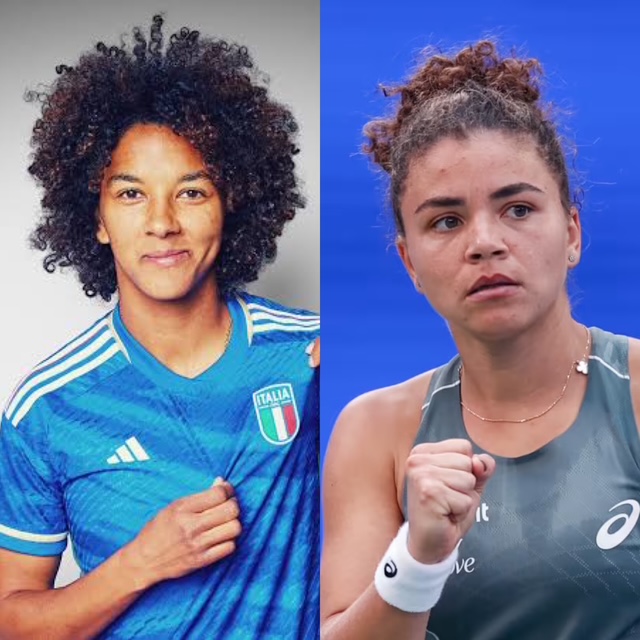
Emerging Italian players, although with smaller numbers, are also following this path: Sofia Cantore has around 61,000 followers, Valentina Giacinti about 212,000, and Aurora Galli around 93,000. These figures show how Italian footballers are gaining visibility and beginning to build their own personal brands, increasing the commercial and media appeal of women’s football in Italy.
This visibility has tangible effects: it boosts merchandise sales, attracts larger sponsors, and helps make footballers true global icons recognizable around the world.

Fashion, Social Media, and Engagement
A key aspect is the connection with fashion. Many footballers become ambassadors for luxury, lifestyle, or sports brands. Alexia Putellas, for example, has collaborated with international brands and regularly appears in fashion magazines, while Bonmatí uses social media to share her personal style, attracting fans beyond football.
Italian players are starting to move in this area as well, sharing lifestyle content, participating in advertising campaigns, and telling the story of their sports and personal growth. They do not yet have the international visibility of other athletes, but the trend is clear: the new generation aims to become not only footballers, but recognizable and influential brands.
Female Marketing: A New Paradigm
Female marketing is not a copy of male marketing. Footballers are perceived as more authentic and closer to fans, and collaborations with brands enhance this direct relationship. Followers respond to personal stories, training sessions, behind-the-scenes moments, and social initiatives: every post becomes an opportunity for engagement and brand building.
Investing in female footballers means reaching a young audience interested in sport, lifestyle, and fashion, while also consolidating an inclusive and modern reputation. Putellas and Bonmatí have paved the way, while emerging Italian players are starting to follow the same path, aiming to build solid digital identities and lasting relationships with fans.
The Parallel Between Superstars and Emerging Talents
While abroad footballers are already global brands, Italian players still need to consolidate their international appeal. However, some strategies are common: consistent social media content, media presence in advertising campaigns, collaboration with sponsors, and the creation of a recognizable style.
This evolution highlights a key aspect: women’s football is becoming an industry, not just a sport. Building personal brands brings visibility to clubs, increases interest in competitions, and creates a wider market for merchandise, events, and media rights.
Today’s footballers are not just athletes; they are becoming icons capable of influencing fashion, social media, and marketing.
Women’s football grows not only through victories on the field but also thanks to these figures, who turn every goal into an engagement opportunity and every win into a global message. Giving space to these footballers means innovating, enhancing the movement, and making women’s football competitive on an international scale. The future is clear: footballers become brands, and their impact is measured both off and on the field.
By Marta Elena Casanova