By Marta Elena Casanova
Follow us on social networks to stay updated on the latest transfer market news: Instagram, Facebook e X.
Index
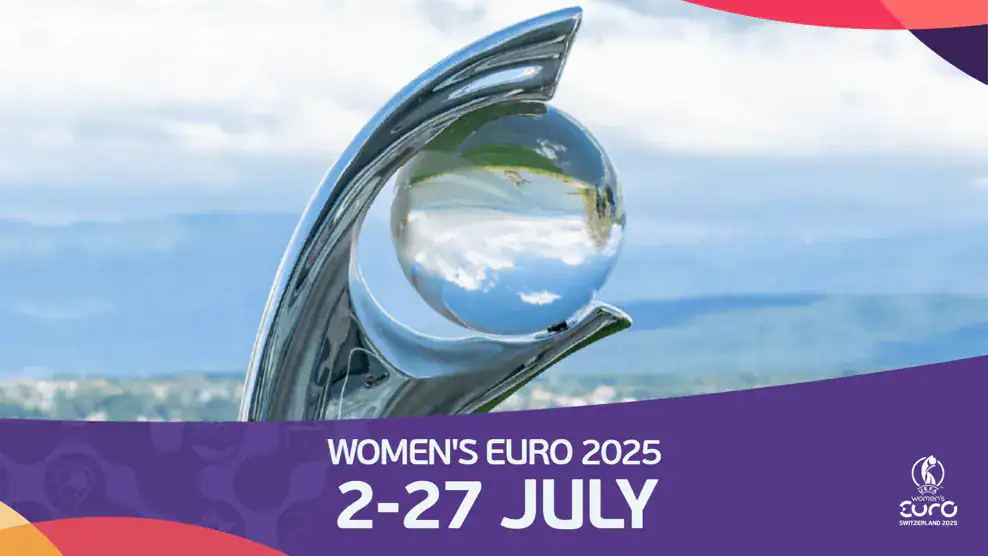
From July 2 to 27, 2025, Switzerland will host the UEFA Women’s Euro 2025, an event set to break previous records for attendance, TV viewership, and media impact. Following the success of the 2022 edition in England, which brought unprecedented attention to women’s football in Europe, UEFA is aiming for another major leap forward — both in sporting terms and economically.
The 16 participating teams
The final stage of the tournament will feature 16 national teams, divided into four groups:
- Group A: Switzerland, Norway, Iceland, Finland
- Group B: Spain, Italy, Portugal, Belgium
- Group C: Germany, Sweden, Denmark, Poland
- Group D: England, France, Netherlands, Wales
It’s a mix of seasoned teams — like England (reigning champions), Spain (world champions), and Germany — and emerging ones such as Wales, who qualified for the first time in their history. Italy finds itself in a tough but manageable group.
Stadiums and schedule
Matches will be held in eight Swiss cities: Basel, Bern, Geneva, Zurich, Lucerne, Sion, Thun, and St. Gallen. The opening match and the final will take place in Basel, at St. Jakob-Park, the country’s largest stadium.
The format remains the same: four groups of four teams, with the top two from each group progressing to the quarter-finals.
Record revenue and prize money
UEFA has announced a total prize pool of €41 million, the highest ever for a women’s national team tournament. Between 30% and 40% of this will go directly to players. Additionally, clubs releasing players will receive a total of €6 million, encouraging participation.
Commercial expectations are high, too. The tournament is sponsored by global brands, and official merchandise (stickers, balls, memorabilia) is already on sale with strong early demand online.
Broadcast rights and media reach
Women’s Euro 2025 will be broadcast in over 200 countries, with full coverage provided by the European Broadcasting Union (EBU) in 34 European territories. All matches will be free-to-air, a key factor in expanding accessibility and fan engagement.
Sponsors and broadcasters can expect major exposure and advertising benefits. UEFA’s social media platforms — including TikTok, Instagram, and YouTube — are projected to generate tens of millions of views.
Tickets and attendance
UEFA’s goal is to sell 700,000 tickets, surpassing the 2022 record of 574,875. Just weeks before kick-off, over 200,000 tickets have already been sold, signaling strong demand.
The event also focuses on sustainability and accessibility: ticket holders will enjoy free public transport in Switzerland on match days. The tournament’s social legacy is also central: the Swiss Football Association aims to double the number of registered female players, from 40,000 to 80,000 by 2027, and to increase female representation among coaches and referees.
A landmark tournament
andmark tournamentThe Women’s Euro 2025 is shaping up to be a landmark event for European women’s football. With top teams, strong organization, massive fan interest, and record-breaking revenue, the sport is clearly on the rise. Switzerland now has the chance to host a high-level tournament full of inspiring athletic and human stories — and to make history in the process.
By Marta Elena Casanova