By Marta Elena Casanova ù
Follow us on social networks to stay updated on the latest transfer market news: Instagram, Facebook e X.
Index
Women’s football is undergoing a revolution. What was once a niche movement has now become a global phenomenon, driven by major international events, the growing interest of brands, and a more inclusive sporting culture. Italy is no exception: audiences are growing, sponsorships are increasing, and media coverage is expanding. The upcoming UEFA Women’s Euro 2025 promises to be a decisive turning point.
The Road to UEFA Women’s Euro 2025
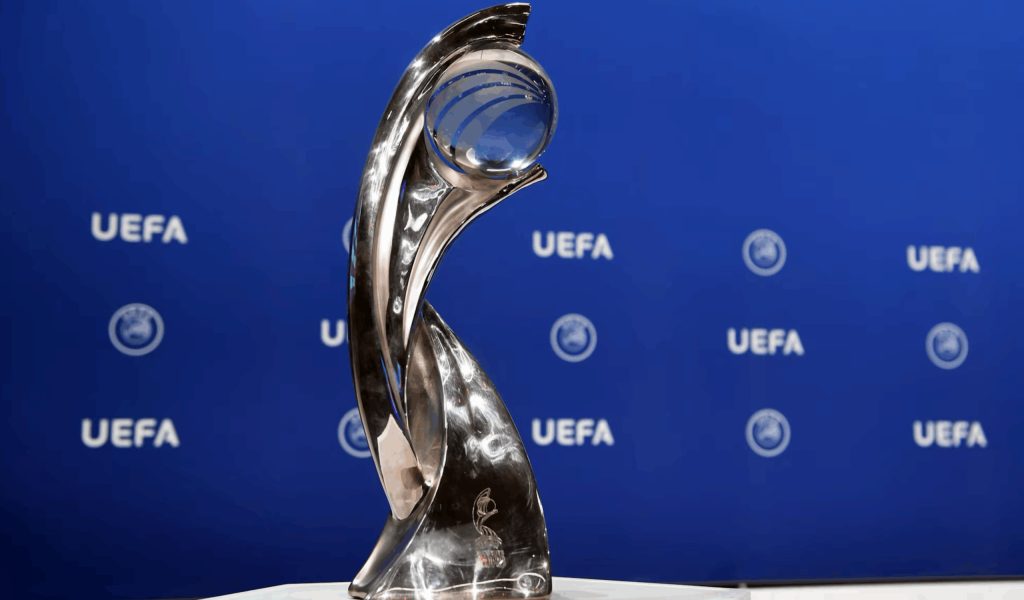
The 2025 Women’s European Championship, set to take place in Switzerland, is expected to be the most watched ever. Following the media and audience success of the 2023 World Cup in Australia and New Zealand, expectations are sky-high. National federations are investing more in team preparation, international media are ensuring constant coverage, and digital platforms are boosting engagement around the players.
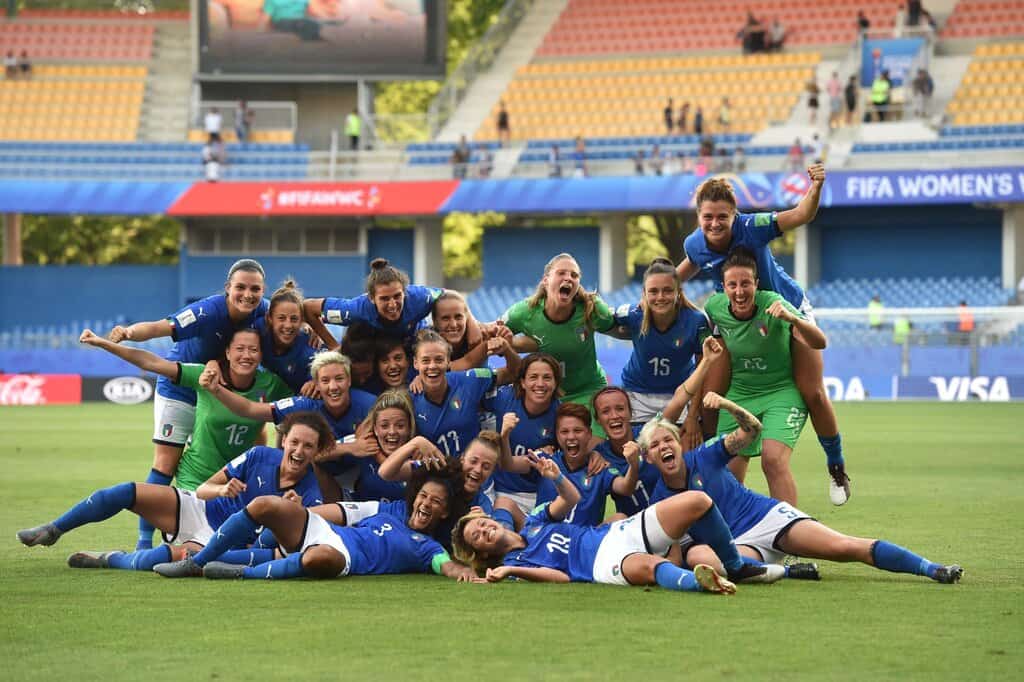
For Italy (drawn in Group B with Spain, Portugal and Belgium), the tournament is another opportunity to shine and assert itself through a renewed sports narrative. The Azzurre, led by an increasingly competitive generation, are expected to confirm the progress seen in recent years. Around the national team, public and sponsor interest continues to grow, drawn by a fresh, authentic and value-driven story.
Sponsorships on the Rise: Why Brands Are Betting on Women’s Football
Brands are not sitting this one out. The most forward-thinking companies have realized that women’s football is a strategic space to communicate in a new and inclusive way. Sponsors like Adidas, Nike, Visa, Heineken and Barclays are investing millions to associate their image with values like empowerment, diversity and accessibility.
These sponsorships are no longer just symbolic: many companies are focusing on original content, emotional campaigns and social formats designed specifically for female and younger audiences. Women’s football has become an innovative marketing lab, less tied to traditional formats and more open to narrative and visual experimentation.
The trend is visible in Italy as well. The women’s Serie A, now a fully professional league, is sending out strong signals: more and more clubs are securing deals with national and international sponsors, improving service quality, facilities and communication. The gap with the men’s game remains wide, but the direction is clear.
Inclusivity and Representation: The Added Value of Women’s Football
Beyond the numbers, what makes women’s football so appealing today is its ability to offer a more inclusive, accessible and representative model of sport. Female footballers are seen as authentic and relatable figures, capable of inspiring without the often overhyped narratives that surround men’s football.
The stories of these players – from international stars to young women in lower divisions – speak of passion, sacrifice and courage. This wealth of storytelling, still underused by traditional media, is finding powerful expression through digital platforms, podcasts, documentaries and social networks. In this way, women’s football becomes a cultural and social space where the very idea of sporting identity is being redefined: where the game matters more than gender, the team more than the individual, the journey more than the trophy.
The Future Is Now: Continuity Is Key
To turn this boom into a stable system, continuity is essential. The main risk is the so-called “event effect”: massive peaks during major tournaments, followed by long periods of silence. To avoid this, long-term strategies are needed: structural investments in youth development, club support policies, stable contracts for players, and consistent visibility in mainstream media.
The good news is that change is already underway. Women’s football is one of the few areas in sport where it’s still possible to build a fairer, more modern and sustainable future. And brands, fans and institutions finally seem to understand this.
By Marta Elena Casanova